



As medical technology rapidly advances, OEMs in the US and Europe are demanding smaller, lighter, and more reliable medical devices. Miniaturization, precision, and functional integration are now standard requirements across applications such as implantable pumps, handheld diagnostic tools, surgical robotics, and dental systems.
However, developing these compact yet high-performance devices brings significant manufacturing challenges-especially when components must meet micron-level tolerances, biocompatibility standards, and strict regulatory requirements such as ISO 13485.
This is where high-precision CNC small-batch machining becomes critical. It enables medical manufacturers to iterate quickly, produce complex custom geometries, and achieve repeatable accuracy without committing to the cost of mass production tooling.
Medical Device Trends: Smaller, Smarter, More Precise
1. Miniaturization for Improved Patient Comfort
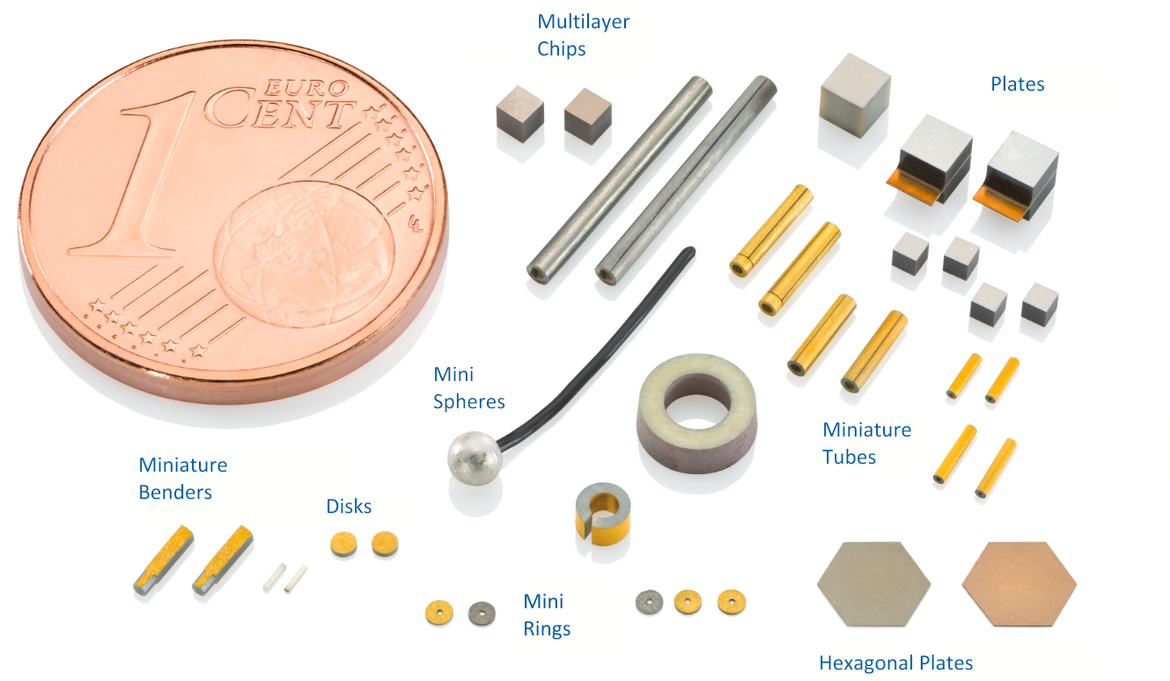
Medical devices-whether wearable, portable, or implantable-are shifting toward micro-scale components to reduce patient discomfort and enhance mobility. This requires manufacturing processes capable of:
Cutting features below 0.5 mm
Maintaining ±2–5 μm tolerances
Machining materials like titanium, PEEK, cobalt-chrome, and stainless steel
Traditional methods struggle at this scale, while CNC micro-machining offers stable precision and surface finish suitable for long-term medical use.
2. Smarter Devices With More Integrated Functions
As devices gain advanced sensing, motorized actuation, and wireless communication, internal components have become more complex. CNC machining enables precise cavities, thin-wall structures, and multi-axis geometries for integrating these features.
3. Precision and Repeatability for Safety
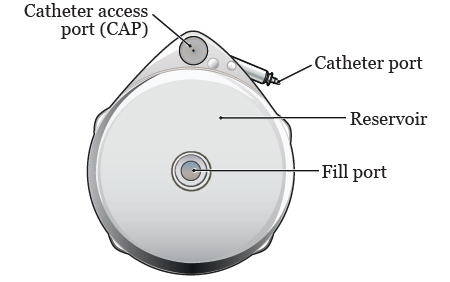
Even a minor dimensional deviation can affect a catheter's fluid control, pump efficiency, or implant fit. CNC machining ensures:
Consistent repeatability for critical dimensions
Surface smoothness that minimizes friction or bacterial adhesion
Tight control over transition radii, slot widths, and sealing interfaces
CNC Machining for Micro Medical Components


1. Typical Components Suitable for CNC Micro-Machining
• Implantable Heart Pump Components
Impellers
Pump housings
Micro shafts
Magnetic coupling parts
These parts often require zero-defect machining, burr-free edges, and balanced geometries.
• Dental Equipment Components
Handpiece housings
Micro turbine parts
Surgical tool connectors
Precision gears
CNC machining provides materials stability and repeatable tolerances even under high-speed rotation.
• Surgical Robotics Components
Miniature transmission elements
Precision arm joints
Sensor mounts
These components need perfect alignment and structural reliability.
2. Why CNC Is Ideal for These Micro Parts
| Manufacturing Requirement | CNC Advantage |
|---|---|
| Tight tolerances | Achievable to ±2 μm |
| Complex 3D geometries | 5-axis simultaneous machining |
| Medical-grade materials | Excellent for titanium, PEEK, CoCr |
| Low-volume demand | No mold cost, fast turnaround |
| Design changes | Quick reprogramming, rapid iterations |
Why Small-Batch CNC Machining Benefits Medical OEMs
1. Reduced Development Cost and Faster Iterations
Product development cycles are shorter than ever. CNC machining allows your engineering team to:
Validate design concepts quickly
Test multiple versions in short cycles
Avoid high upfront mold or tooling expenses
Make design tweaks within hours instead of weeks
This directly supports early-stage R&D and pilot production.
2. Lower Inventory Risks
Medical devices often require strict version control and frequent updates. Small-batch CNC machining allows OEMs to:
Produce only what is needed
Reduce stock obsolescence
Avoid overproduction or warehousing pressure
This is especially valuable for customized implants and specialized surgical tools.
3. Consistent Quality for Regulatory Compliance
Stable CNC machining processes support compliance with:
ISO 13485
FDA 21 CFR Part 820
EU MDR requirements
Traceable process data, SPC (statistical process control), and repeatable precision support validation and documentation standards.
How High-Precision CNC Improves Device Reliability and Lifespan
1. Surface Finish Reduces Wear and Bacterial Adhesion
Medical components often require:
Ra ≤ 0.4 μm for implant surfaces
Smooth internal cavities for pumps
Polished sealing interfaces for fluid control
CNC machining combined with post-process polishing delivers consistent surface results.
2. Tighter Fits Improve Device Efficiency
For example:
A ±3 μm deviation in an impeller shaft affects pump output
A rough surface inside a microfluidic channel impacts fluid pressure
An off-center turbine part reduces dental handpiece lifespan
Precision machining directly improves device efficiency, noise reduction, and long-term reliability.
3. Material Integrity and Biocompatibility
CNC machining preserves material structure compared with processes involving excessive thermal stress. This ensures:
Structural strength
Corrosion resistance
Long-term stability in implants or surgical devices
Actionable CNC Machining Strategies (Mid Solution)
Below are practical, real-world machining strategies you can apply immediately when working with a CNC supplier-based on Mid's integrated small-batch medical machining capability.

1. Use 5-Axis Simultaneous Machining for Micro Features
Eliminates multiple setups
Enhances precision and positional accuracy
Ensures better continuity on curved surfaces for pump components
2. Tooling Strategy for Micro Parts
Use φ0.1–1 mm micro end mills
Apply diamond-coated tools for titanium or PEEK
Use high-speed spindles (30,000–60,000 rpm)
Strict control of tool wear for ±2–5 μm tolerances
3. Process Control for Consistency
100% CMM inspection for critical dimensions
SPC monitoring on shafts, slots, and bores
Automated deburring for burr-free edges
4. Material Management
Full traceability for titanium and PEEK batches
Certificate of Compliance (COC) and biocompatibility documents included
Conclusion
CNC small-batch machining is not simply a manufacturing method-it is the backbone of modern medical device innovation. For OEMs pursuing miniaturized, high-performance, and fully integrated medical solutions, CNC micro-machining offers unmatched flexibility, precision, and reliability.
With the right supplier and the proper machining strategy, you can accelerate development, improve device performance, and confidently meet global regulatory standards.


