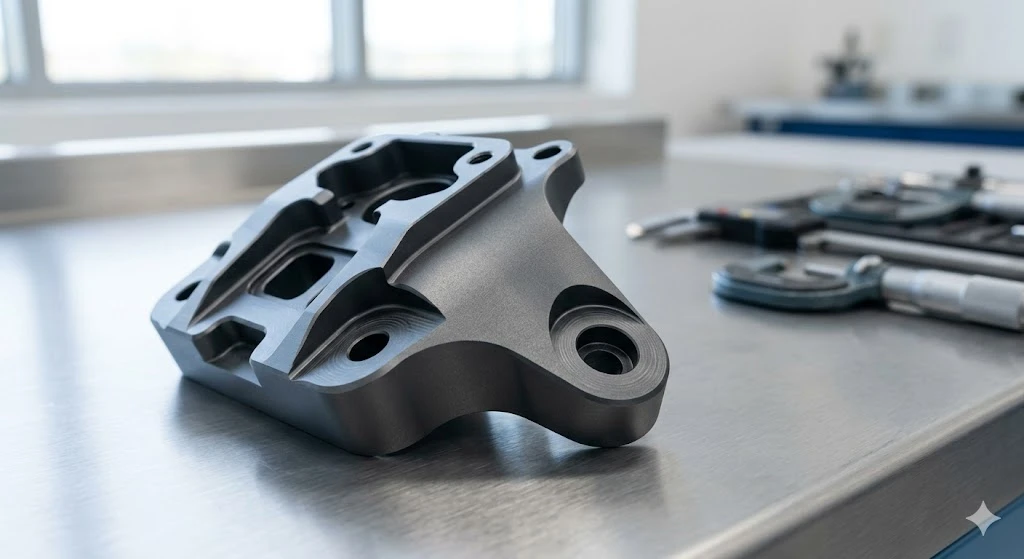
The 2026 Aluminum Market: A Quick Reality Check
This year hasn't been quiet. A few things landed back to back:
Tariffs got more complicated. Section 232 tariffs on imported aluminum are still sitting at 50%. In April, the rules around derivative products were reworked - parts that are mostly aluminum can now get pulled into that 50% bucket, while items with 15% or less metal content by weight drop to the 10% baseline tariff. The takeaway: classification now hinges on what your part is actually made of, not just the category it ships under.
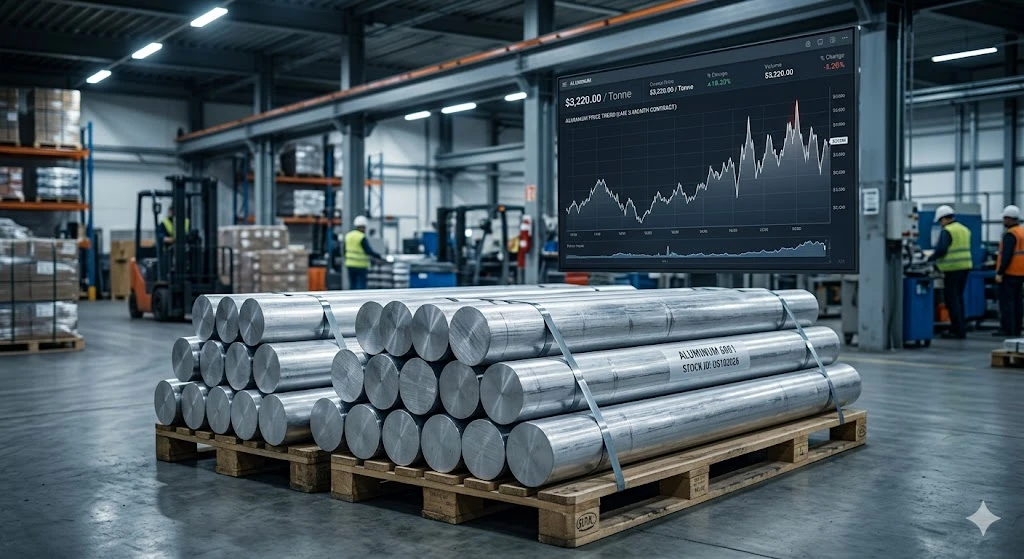
Raw prices spiked. The LME three-month aluminum contract jumped to roughly $3,220 a tonne this spring - about a 30% climb in two weeks - after supply disruptions tied to the Middle East conflict. The U.S. Midwest Premium crossed a dollar a pound back in January for the first time ever.
Mill shapes are up big. Aluminum mill products are running around 33% higher than they were a year ago.
Put plainly: the block of 6061 inside your part started out a lot more expensive than it used to. That's the backdrop for every aluminum machining quote in 2026.
It's Not Just Metal Prices - The Shop Floor Changed Too
Material cost is the loud story, but it isn't the only one. Walk through a modern shop this year and you'll see a few shifts that hit lead time and price just as hard:
Automation moved past the spindle. Shops aren't only adding robot arms to load parts. They're automating the unglamorous stuff around machining - washing, drying, inspection, pressure testing. That's where the real throughput gains are hiding.
AI earned a narrow, useful job. Nobody serious is handing the shop over to an algorithm. But predictive maintenance and tool-wear monitoring have quietly become standard - fewer surprise breakdowns, longer tool life.
Digital twins shortened setup. Clash detection and toolpath checks now happen in software before a single chip flies. That matters when you're cutting into a $400 billet.
For you as a buyer, all of this rolls up into one thing: a well-run shop can absorb some of the material-cost pain through tighter, faster processes. A sloppy one just passes the whole bill to you.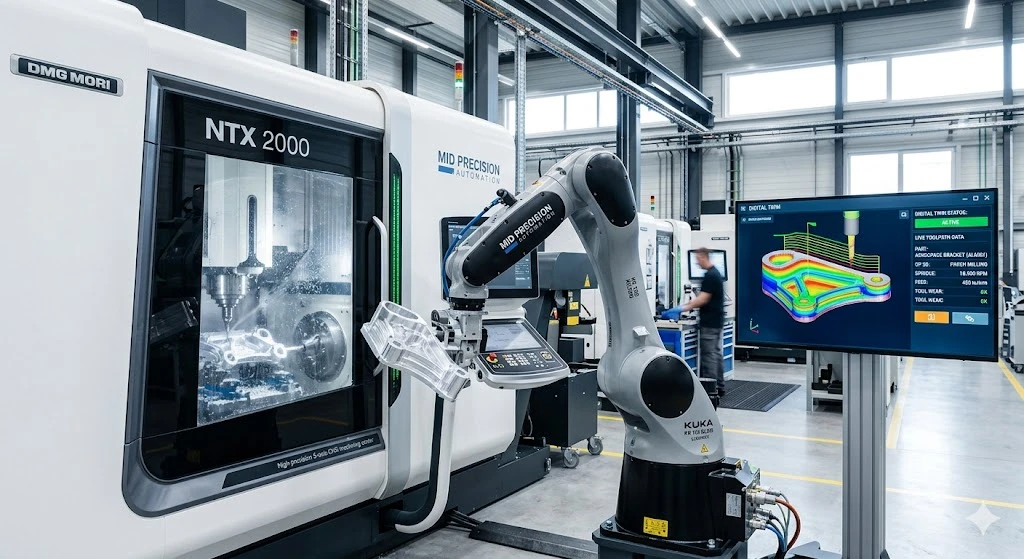
Why Aluminum Still Wins, Even at These Prices
Here's the thing - even with prices up, aluminum isn't going anywhere. There's a reason it's the most machined metal on the planet.
It cuts fast. Aluminum is soft enough to run high spindle speeds and aggressive feeds, so cycle times stay short. Short cycles mean lower machining cost per part, which offsets some of the pricier raw stock. It's also light, and it forms a natural oxide layer that fights corrosion without plating. And it finishes beautifully - anodizing, bead blasting, brushing, it takes them all.
So when people ask whether they should switch materials to dodge the price hike, our honest answer is usually no. For most jobs, the machinability savings and the performance still win.
Picking the Right Aluminum Grade
The grade you choose drives both performance and cost. Here's how the workhorses stack up:
| Alloy | Strength | Machinability | Typical Uses | Watch-outs |
|---|---|---|---|---|
| 6061-T6 | Medium-high | Excellent | Brackets, housings, fixtures, general parts | The default. Hard to beat on value. |
| 7075-T6 | Very high | Good | Aerospace, defense, high-stress structural parts | Pricey; weak corrosion resistance bare |
| 2024-T3 | High | Good | Aircraft structures, fatigue-critical parts | Needs corrosion protection |
| 5052 | Medium | Fair | Enclosures, marine parts, sheet-style work | Machines so-so; better when formed |
| 6063 | Lower | Good | Extrusions, trim, architectural parts | Soft - not for load-bearing |
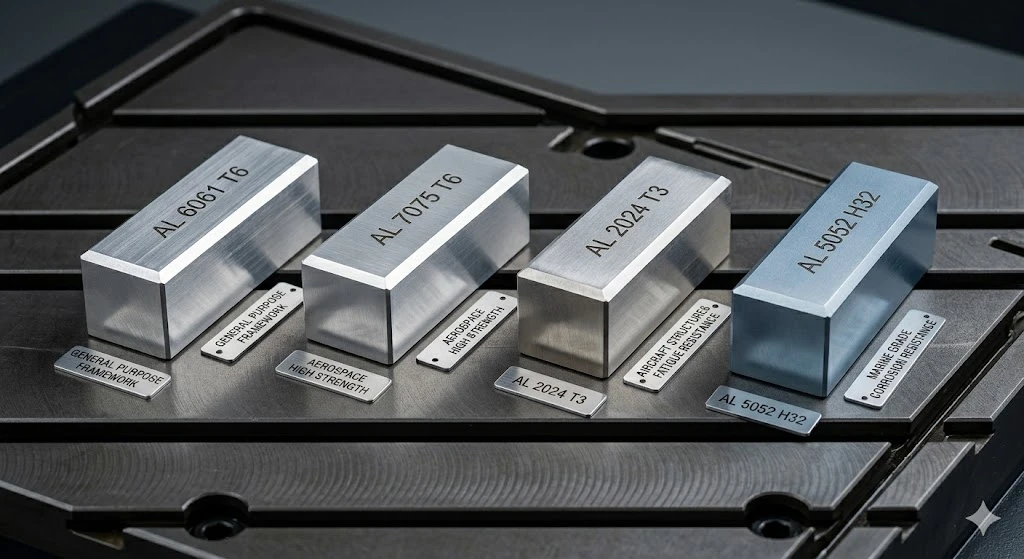
Honest tip: if your print doesn't specifically call for 7075, machine it in 6061. We see over-specified material on incoming quotes constantly, and it just burns the customer's money.
Design Choices That Actually Move the Price
Two prints for the "same" part can quote 40% apart. Usually it comes down to a handful of decisions:
Tolerances. A general ±0.005" tolerance is cheap. Calling out ±0.0005" across the whole part is not. Tag tight tolerances only on the features that genuinely need them.
Wall thickness. Thin walls chatter and warp. Anything under about 0.040" gets fussy. Leave a little meat where you can.
Internal corners. CNC tools are round, so sharp internal corners can't be milled - they need EDM or a redesign. Add a small corner radius and the problem disappears.
Setups. Every time a part gets re-fixtured, you pay for it. Geometry that machines from fewer sides is simply cheaper.
None of this is exotic. It's just the stuff that slips through when a print goes out without a manufacturability check.
## Finishes: A Quick Rundown
| Finish | Look / Function | Cost & Lead Time |
|---|---|---|
| As-machined | Tool marks visible, lowest cost | None added |
| Bead blast | Uniform matte, hides tool marks | Small |
| Type II anodize | Color plus corrosion protection | Moderate |
| Type III hard anodize | Thick, wear-resistant coating | Moderate-high |
| Brushed / polished | Cosmetic, decorative | Varies |
Sourcing Aluminum Parts in a 50%-Tariff World
Here's where it gets practical. With tariffs and raw prices both elevated, where you buy aluminum parts matters more than it did two years ago.
A few things worth weighing:
Total landed cost, not just unit price. Tariff class, freight, lead time, and rework risk all belong in the math.
Material traceability. Ask for mill certs. In 2026, with alloy sourcing scrambled, you want to know exactly what's in your part.
Shop discipline. The shops weathering this best are the ones with tight quoting, real design feedback, and automation that keeps cost down.
At MID Precision, aluminum is one of the highest-volume materials through our shop. We machine 6061, 7075, 2024, and 5052 every day, hold tight tolerances on low-to-mid volume runs, and we'll flag a manufacturability problem on your print before it turns into a scrapped part. That last part - catching the problem early - is where most of the real savings live.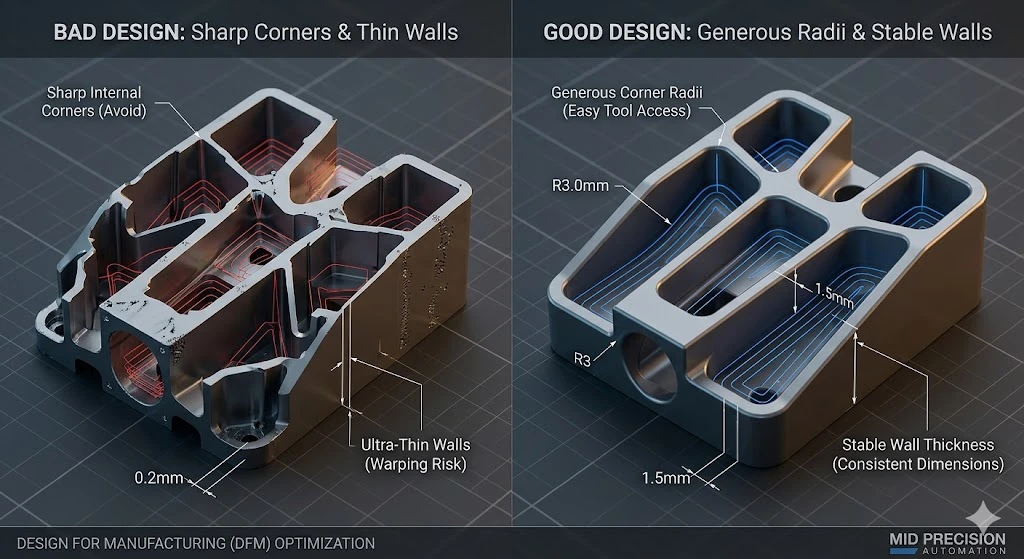
FAQ
Is CNC machining aluminum cheaper than steel?
Per pound of raw stock, aluminum often costs more than mild steel right now. But aluminum machines faster, so the machining portion of the bill is usually lower. On most small-to-mid parts, aluminum still comes out competitive.
Which aluminum grade is best for CNC machining?
6061-T6 for most jobs - strong machinability, good strength, fair price. Step up to 7075 only when the application genuinely needs the extra strength.
How tight a tolerance can you hold on aluminum?
Standard CNC work holds around ±0.001"–0.005" comfortably. Tighter is possible on specific features, but it adds cost - so call out tight tolerances only where the part actually needs them.
Will tariffs keep aluminum prices high through 2026?
Most signs point to elevated prices holding for the year, between the 50% Section 232 tariffs and ongoing supply disruptions. Designing efficiently and sourcing smart is the realistic hedge.
The Bottom Line
Aluminum is still the right call for a huge share of machined parts - that hasn't changed. What's changed is that sloppy design and lazy sourcing cost more than they used to. Spec the right grade, tag only the tolerances you need, and work with a shop that catches problems early. Do that, and the 2026 price environment becomes something you manage instead of something that manages you.