



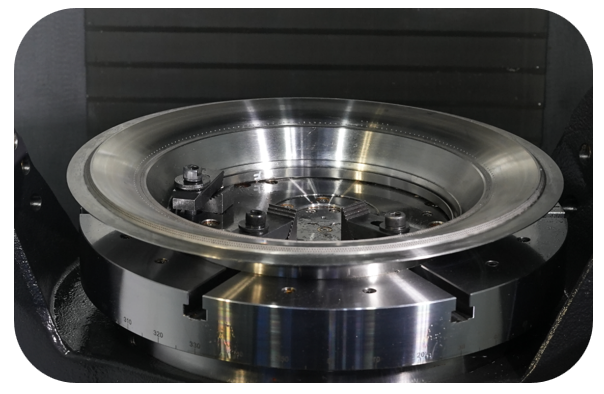
Processed products
Material: high temperature alloy (GH4169)
Processing features: oblique hole processing (aperture 0.8-3mm, bevel angle 15°-45°)
Hardness: HRC43 (difficult-to-cut material)
Processing background and industry pain points
A. Industry background
The combustion chamber of a modern aircraft engine needs to work stably in an extremely high temperature (1000℃+) environment, and the quality of its pore processing directly affects the life of the engine. Although traditional laser/EDM processing can form, it will produce a micron-level remelting layer, which is easy to cause cracks under long-term high temperature and high pressure conditions, resulting in engine performance degradation.
b.Difficulties of traditional processing
Remelting layer problem: The resolidified layer (10-30μm) produced by special processing requires secondary polishing, which increases the cost by 20%
Efficiency bottleneck: A single combustion chamber needs to process 3000+ inclined holes. The traditional process takes 20 seconds for a single hole, and the yield rate is only 82%
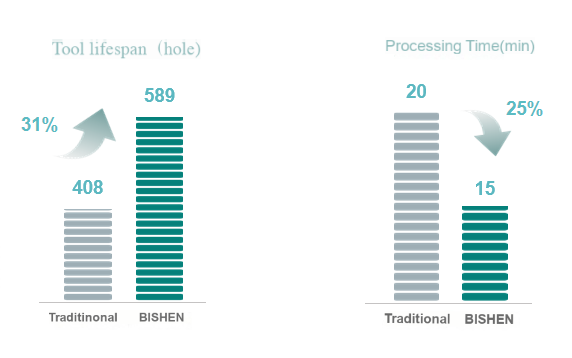
Tool loss: High-temperature alloys cause the average life of carbide tools to be only 408 holes, and frequent tool changes affect delivery time
MID Solutions: Ultrasonic five-axis green processing system
Multi-purpose ultrasonic vertical five-axis machine tool: 0.001mm level dynamic compensation, suitable for 15°-60° inclined hole omnidirectional processing
Ultrasonic assisted cutting technology: 40kHz high-frequency vibration reduces cutting force by 63% and inhibits burr generation
Supercritical CO2 cooling (-78℃): Instantly freeze the high temperature in the cutting area and eliminate thermal deformation of the material
MQL micro-lubrication internal cooling: 0.05ml/h ultra-micro oil mist lubrication, tool life increased by 31%
Processing advantages and industry value
Zero remelting layer: Mechanical cutting replaces hot processing, hole wall roughness Ra≤0.8μm (exceeds navigation standard SAE-AS9100D)
Efficiency breakthrough: Single hole processing time is shortened by 25% (15 seconds/hole), with an annual production capacity of 500 engine combustion chambers
Cost optimization: Tool life reaches more than 589 holes, saving more than $280,000 in tool purchase costs per year


