



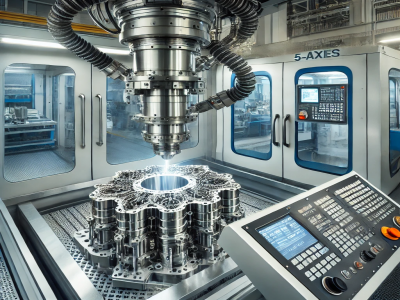
The aerospace industry needs parts that are extremely precise, strong, and reliable. To meet these demands, manufacturers use 5-axis CNC machining. This technology has changed how aerospace parts are made. Let's explore why it's so important for building planes, rockets, and satellites.
How 5-Axis CNC Machining Works
Traditional machines move tools in three directions (left-right, front-back, up-down). 5-axis CNC machining adds two more rotations, letting tools tilt and spin. This allows cutting from almost any angle. For example, making curved aircraft parts like turbine blades becomes easier. The machine can shape complex designs in one step instead of many setups.
Why Aerospace Relies on 5-Axis Machining
Precision Matters
Jet engines and spacecraft parts must work perfectly under extreme stress. Precision machining for aerospace ensures parts match exact measurements. Even tiny errors can cause big problems. With 5-axis CNC machining, parts like engine mounts or satellite brackets stay within strict tolerances.
Handling Tough Materials
Planes use strong, lightweight metals like aerospace-grade aluminum and titanium. These materials are hard to cut. Multi-axis machining handles them smoothly. For instance, titanium CNC machining makes heat-resistant parts for engines. The machine's movements prevent overheating and warping.
Complex Shapes Made Simple
Many aerospace parts have intricate curves or hollow spaces. Think of wing supports or fuel nozzles. 5-axis CNC milling carves these shapes without switching tools repeatedly. This saves time and reduces mistakes.
Real-World Uses in Aerospace
Engine Parts: Turbine blades need smooth surfaces to handle high speeds. High-precision CNC machines polish these parts to perfection.
Custom Components: Every plane has unique needs. Custom aerospace components machining creates one-of-a-kind brackets or panels quickly.
Lightweight Frames: Planes must be light but strong. Aerospace-grade aluminum CNC machining carves frames with internal ribs to save weight.
Challenges and Solutions
5-axis machining isn't easy. Machines must reach tight spaces without crashing into the part. Skilled programmers use special software to plan safe tool paths. Heat is another issue. Cutting titanium creates friction. Coolant systems keep temperatures low to avoid damage.
Choosing a Good Machining Partner
Not all workshops can handle aerospace projects. Look for companies with experience in CNC milling for aircraft parts. They should have certifications like AS9100. Ask if they work with titanium or aerospace-grade aluminum. Good partners explain their process clearly and test parts rigorously.
The Future of Aerospace Machining
New technologies like 3D printing are rising. But 5-axis CNC remains vital. Why? It's faster for large batches and offers unbeatable precision. Future machines might mix 3D printing and CNC cutting to make parts with built-in sensors or cooling channels.
Key Takeaways
5-axis CNC machining lets manufacturers build complex, precise aerospace parts.
It works with tough materials like titanium and special aluminum.
Choosing the right partner ensures quality and reliability.
This technology keeps planes safe, rockets efficient, and satellites accurate. For aerospace, 5-axis CNC isn't just a tool-it's a necessity.


