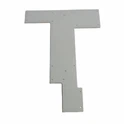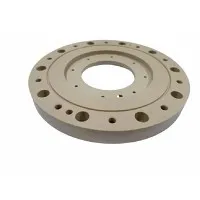

Hey there! I'm a supplier in the milling machining PMMA business. Today, I wanna have a chat about the environmental impacts of milling PMMA.
PMMA, or polymethyl methacrylate, is a widely - used plastic known for its high optical clarity, weather resistance, and good mechanical properties. It's often used in things like signage, lighting fixtures, and automotive parts. But when it comes to milling PMMA, there are some environmental aspects we need to take a closer look at.
Air Pollution
One of the major environmental impacts of milling PMMA is air pollution. During the milling process, tiny PMMA particles are generated. These particles can become airborne and are known as particulate matter (PM). When inhaled, PM can cause various health problems, such as respiratory issues, lung diseases, and even heart problems.
The size of these particles matters a lot. Smaller particles, like PM2.5 (particles with a diameter of 2.5 micrometers or less), are particularly harmful because they can penetrate deep into the lungs. In a milling workshop, if proper ventilation systems aren't in place, the concentration of these particles in the air can quickly reach dangerous levels.
Moreover, the milling process might also involve the use of coolants and lubricants. When these substances are heated during machining, they can release volatile organic compounds (VOCs) into the air. VOCs are not only bad for the environment but also contribute to the formation of ground - level ozone, which is a major component of smog. Ground - level ozone can cause eye irritation, respiratory problems, and damage to crops and forests.
Waste Generation
Another significant environmental impact is waste generation. When we mill PMMA, there's a lot of scrap material produced. This scrap can't always be reused right away. Some of it might be too small or too damaged to be remolded or recycled.
The disposal of this waste can be a headache. If it's sent to landfills, PMMA doesn't break down easily. It can stay in landfills for hundreds of years, taking up valuable space. And in some cases, if the waste contains contaminants from the machining process, it can even leach harmful substances into the soil and groundwater over time.
However, recycling PMMA is possible. But it's not always straightforward. The recycling process requires specialized equipment and techniques. The scrap PMMA needs to be cleaned, sorted, and then melted down and re - formed into new products. As a supplier, I'm always looking for better ways to manage this waste and increase the recycling rate.
Energy Consumption
Milling PMMA is an energy - intensive process. The machines used for milling, such as CNC machines, need a significant amount of electricity to operate. The more complex the milling job, the more energy is required.
High - speed milling, for example, which is often used to achieve precise cuts and smooth surfaces, demands a lot of power. And if the machines are old or not well - maintained, they can consume even more energy than necessary. This high energy consumption not only increases the operating costs but also has a negative impact on the environment. Most of our electricity still comes from fossil fuels, and burning fossil fuels releases large amounts of greenhouse gases, such as carbon dioxide, into the atmosphere. These gases are the main cause of global warming.
Water Pollution
If coolants and lubricants are used in the milling process, there's a risk of water pollution. These substances can contain various chemicals, such as oils, detergents, and additives. If they're not properly managed, they can end up in water bodies.


When these chemicals enter rivers, lakes, or oceans, they can have a devastating effect on aquatic life. They can reduce the oxygen levels in the water, making it difficult for fish and other organisms to survive. Some chemicals can also bioaccumulate in the food chain, which means they build up in the bodies of animals over time and can cause long - term health problems.
How We're Addressing These Issues
As a responsible supplier, I'm taking steps to minimize the environmental impacts of milling PMMA. For air pollution, we've installed high - quality ventilation systems in our workshops. These systems can effectively capture and filter out the particulate matter and VOCs, ensuring that the air in the workshop is clean and safe for our workers.
In terms of waste management, we're working closely with recycling facilities. We're also trying to optimize our milling processes to reduce the amount of scrap material produced. For example, by using more precise cutting tools and better programming techniques, we can make the most out of the PMMA sheets we start with.
To reduce energy consumption, we're upgrading our machines to more energy - efficient models. We're also implementing energy - management systems that can monitor and control the power usage of our equipment. And during off - peak hours, we schedule less energy - intensive tasks to take advantage of lower electricity rates.
For water pollution prevention, we have a strict coolant and lubricant management system. We recycle and reuse these substances as much as possible. And any waste coolant or lubricant is treated properly before disposal to remove the harmful chemicals.
Other Plastic Machining Considerations
If you're interested in other types of plastic machining, we also offer CNC Machining PPSU, CNC Machining Polycarbonate, and CNC Machining PMI Foams and PVC. Each of these plastics has its own unique properties and environmental impacts during machining. But just like with PMMA, we're committed to minimizing the negative effects on the environment while providing high - quality machining services.
Let's Talk
If you're in the market for milling machining PMMA or any of the other plastics I mentioned, I'd love to have a chat with you. Whether you have questions about our environmental practices, our machining capabilities, or you just want a quote, don't hesitate to reach out. We're here to provide you with the best solutions that meet both your quality requirements and environmental concerns.
References
- "Plastic Machining Handbook"
- Journal of Environmental Science and Technology articles on plastic machining impacts