Tool life in Swiss turning machines is a crucial factor that significantly impacts the efficiency, productivity, and cost - effectiveness of precision machining operations. As a Swiss turning machines supplier, I have witnessed firsthand how understanding and optimizing tool life can transform a manufacturing process.
Definition and Importance of Tool Life
Tool life refers to the period during which a cutting tool can perform its intended function effectively before it needs to be replaced or re - sharpened. In Swiss turning machines, where high - precision parts are manufactured, tool life is of utmost importance. A longer tool life means reduced tooling costs, less machine downtime for tool changes, and consistent part quality. When a tool wears out prematurely, it can lead to dimensional inaccuracies, poor surface finishes, and an increase in scrap rates.
Factors Affecting Tool Life in Swiss Turning Machines
1. Material Properties
The material being machined has a direct impact on tool life. Harder materials, such as stainless steel, titanium, and nickel - based alloys, present more challenges to cutting tools. These materials generate higher cutting forces and temperatures, which accelerate tool wear. For example, when machining stainless steel, the high work - hardening rate of the material can cause the cutting edge of the tool to become dull quickly. On the other hand, softer materials like aluminum are generally easier to machine and result in less tool wear.
2. Cutting Parameters
Cutting parameters, including cutting speed, feed rate, and depth of cut, play a vital role in determining tool life. Higher cutting speeds typically lead to increased tool wear due to the generation of more heat at the cutting interface. However, if the cutting speed is too low, the tool may rub against the workpiece rather than cut it cleanly, also leading to premature wear. The feed rate, which is the distance the tool advances into the workpiece per revolution, also affects tool life. A very high feed rate can cause excessive cutting forces and chip formation issues, while a very low feed rate may result in poor productivity and increased tool wear due to prolonged contact with the workpiece. The depth of cut influences the amount of material removed in each pass. A large depth of cut can increase the cutting forces and heat generation, potentially reducing tool life.
3. Tool Geometry
The geometry of the cutting tool is another critical factor. Tools with sharp cutting edges are more efficient at cutting and generate less heat, which can extend tool life. However, sharp edges are also more prone to chipping and wear. The rake angle, clearance angle, and nose radius of the tool all affect the cutting process. For instance, a positive rake angle reduces cutting forces but may weaken the cutting edge, while a negative rake angle provides a stronger cutting edge but increases the cutting forces.
4. Coolant and Lubrication
Coolants and lubricants are essential for maintaining tool life in Swiss turning machines. They help to reduce the temperature at the cutting interface by dissipating heat, prevent chip welding to the tool, and improve chip evacuation. Water - based coolants are commonly used due to their good cooling properties, while oil - based lubricants provide better lubrication. The proper selection and application of coolant are crucial. Insufficient coolant flow or improper coolant concentration can lead to increased tool wear and poor part quality.
Measuring and Monitoring Tool Life
To optimize tool life in Swiss turning machines, it is necessary to measure and monitor it effectively. One common method is to count the number of parts produced between tool changes. This simple approach provides a basic understanding of tool wear over time. However, it does not account for variations in cutting conditions.
Another more advanced method is to use tool condition monitoring systems. These systems can measure parameters such as cutting forces, vibration, and temperature in real - time. By analyzing these signals, it is possible to detect early signs of tool wear and predict when a tool needs to be replaced. For example, an increase in cutting forces may indicate that the tool is becoming dull.
Strategies to Extend Tool Life
1. Optimal Cutting Parameter Selection
By carefully selecting the cutting parameters based on the material being machined and the tool geometry, it is possible to extend tool life. This often involves a trade - off between productivity and tool life. For example, reducing the cutting speed slightly may increase the tool life while still maintaining an acceptable level of productivity.
2. Tool Coating
Tool coatings can significantly improve tool life. Coatings such as titanium nitride (TiN), titanium carbonitride (TiCN), and aluminum titanium nitride (AlTiN) provide a hard, wear - resistant layer on the tool surface. These coatings reduce friction, improve heat resistance, and prevent the diffusion of workpiece material onto the tool. For example, AlTiN coatings are particularly effective for high - speed machining of hard materials.
3. Proper Tool Handling and Storage
Proper handling and storage of tools are also important. Tools should be stored in a clean, dry environment to prevent corrosion. When handling tools, care should be taken to avoid damage to the cutting edges. For example, using the correct tool holders and clamping mechanisms can ensure that the tool is securely held during machining and prevent vibrations that can lead to premature wear.
Impact of Extended Tool Life on Manufacturing
Extending tool life in Swiss turning machines has several positive impacts on the manufacturing process. Firstly, it reduces tooling costs. Since tools do not need to be replaced as frequently, the overall cost of tooling is decreased. Secondly, it improves productivity. With less time spent on tool changes, the machine can operate for longer periods, increasing the number of parts produced per unit of time. Thirdly, it enhances part quality. Consistent tool performance over a longer period ensures that the parts are manufactured to the same high - precision standards.
Our Offerings as a Swiss Turning Machines Supplier
As a Swiss turning machines supplier, we understand the importance of tool life in the manufacturing process. We offer a range of high - quality Swiss turning machines that are designed to optimize tool life. Our machines are equipped with advanced control systems that allow for precise control of cutting parameters. We also provide comprehensive training and support to our customers on how to select the right tools, optimize cutting parameters, and monitor tool life.
In addition, we have partnerships with leading tool manufacturers to offer a wide selection of cutting tools that are specifically designed for Swiss turning applications. These tools are made from high - quality materials and are often coated to provide extended tool life.
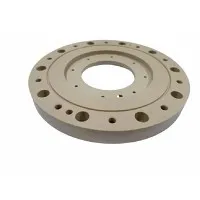
We also offer services such as CNC Depth Hole Drilling, CNC Turning and Milling Compound Machining, and 5 Axis High Complex Machining. These services are carried out using our state - of - the - art Swiss turning machines, ensuring high - precision and high - quality results.
Conclusion
Tool life in Swiss turning machines is a complex but crucial aspect of precision machining. By understanding the factors that affect tool life, measuring and monitoring it effectively, and implementing strategies to extend it, manufacturers can significantly improve their productivity, reduce costs, and enhance part quality. As a Swiss turning machines supplier, we are committed to helping our customers optimize tool life in their manufacturing processes. If you are interested in learning more about our Swiss turning machines or our precision machining services, we invite you to contact us for procurement and further discussions.

References
- Trent, E. M., & Wright, P. K. (2000). Metal Cutting. Butterworth - Heinemann.
- Kalpakjian, S., & Schmid, S. R. (2010). Manufacturing Engineering and Technology. Pearson Prentice Hall.
- Boothroyd, G., Dewhurst, P., & Knight, W. A. (2011). Product Design for Manufacture and Assembly. CRC Press.