



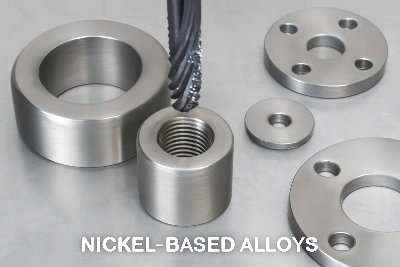
Corrosion-resistant nickel-based alloys are commonly used in critical aerospace applications, such as sealing joints and high-temperature components. While these alloys offer exceptional resistance to oxidation and high-temperature environments, they present significant challenges during machining. The material's inherent hardness and high ductility make it difficult to process, particularly when it comes to creating precise threads in small holes.
The Challenge
Nickel-based alloys, such as Inconel, are tough and have high shear strength, which makes tapping operations in small holes extremely difficult. The primary challenges include:
Thread breakage: As the thread tap engages the material, the material's hardness and adhesion properties often cause the tap to bind or snap, especially when tapping deeper holes.
Chatter and binding: The toughness of the material leads to significant friction, which increases the likelihood of tool breakage and failure to form precise threads.
This is especially problematic in deep-hole applications, where the tapping tool has less room to maneuver, resulting in increased wear and breakage.
Our Solution Approach
To address these issues and increase the reliability of tapping operations in nickel-based alloys, we employed a comprehensive strategy using specialized tools and techniques:
Low-Pitch Taps
Low-pitch taps are used to reduce the cutting forces and friction during the tapping process. These taps are designed with a larger thread profile, allowing for more consistent engagement and reducing the risk of tool binding.
High-Pressure Internal Coolant Systems
The tapping process is supported by high-pressure internal coolant, which is directed into the hole to reduce heat buildup and remove metal chips effectively. This method helps to maintain consistent cutting temperatures and improve chip evacuation, preventing clogging and tap breakage.
Real-Time Torque Control
A torque control system is integrated to monitor and adjust the torque applied during the tapping process. This system allows for instantaneous feedback, preventing overloading of the tap and ensuring optimal performance throughout the operation.
Advanced Tool Coatings
Special abrasion-resistant coatings on the taps, such as TiAlN or DLC, help reduce friction and wear, allowing for longer tool life and better thread quality in nickel-based alloys.
Results Achieved
| Metric | Before Optimization | After Optimization |
|---|---|---|
| Tap Breakage Rate | 12% | <1% |
| Thread Quality | Inconsistent, rough | Smooth, precise threads |
| Tool Life | 10 parts per tool | 150 parts per tool |
| Production Time | High rework & downtime | Consistent, faster cycle |
Case Study: Sealing Joint Tapping in Aerospace Applications
A prominent aerospace manufacturer needed to tap multiple holes in Inconel 718 for sealing joints. The customer faced high breakage rates and poor thread formation during the initial phases of production.
By implementing our solution, which combined low-pitch taps, high-pressure internal cooling, real-time torque control, and advanced tool coatings, the customer experienced a reduction in tap breakage to less than 1%, an increase in thread quality, and significant time savings on the production floor.
Conclusion
Machining nickel-based alloys for critical applications requires precise control of the tapping process. By using the right combination of tooling, coolant, and monitoring systems, we were able to significantly reduce tap breakage rates and improve overall machining efficiency for our clients. If you face similar challenges, feel free to contact us to learn how we can optimize your tapping processes for tough materials like Inconel.


