



In the field of mechanical manufacturing, the anti-corrosion treatment of carbon steel and alloy steel parts is an important link to ensure the service performance of products. In addition to conventional painting processes, the current mainstream surface treatment technologies mainly include blackening, phosphating, galvanizing (electroplating/hot-dip galvanizing/zinc infiltration), Dacromet and precious metal electroplating. There are significant differences in the anti-corrosion performance, cost-effectiveness and application areas of each process. Now a systematic analysis of their technical characteristics is carried out.
Basic protection process
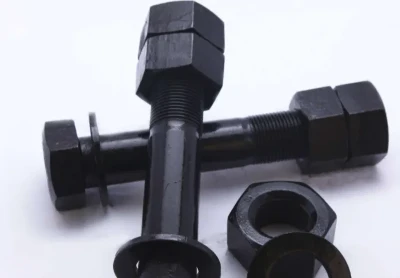
Blackening treatment
The Fe3O4 film is generated on the metal surface through chemical oxidation, and the corrosion resistance of the neutral salt spray test (NSS) is 3-5 hours. After treatment, anti-rust oil must be applied, and the integrity of the oil film directly affects the protection effect. This process is low-cost and suitable for short-term protection of non-critical components.
Phosphating treatment
A phosphate conversion film with a microporous crystal structure is formed, and the basic NSS protection time is 10-20 hours. With advanced anti-rust oil (the cost is 2-3 times that of ordinary oil), it can be extended to 72-96 hours. According to the film-forming system, it can be divided into:
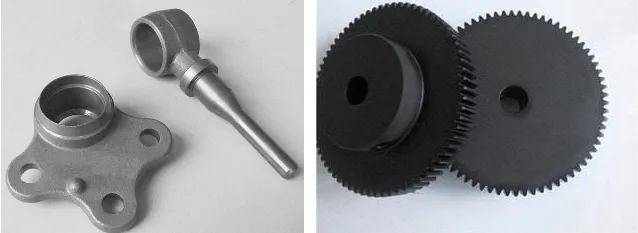
Zinc phosphating: needle-shaped/flaky crystal structure, mainly used for coating base treatment, and has cold forming lubrication function
Manganese phosphating: spherical dense crystal, excellent wear resistance (dry film friction coefficient 0.08-0.15), but poor coating adhesion
Comparison of galvanizing systems
Electrogalvanizing
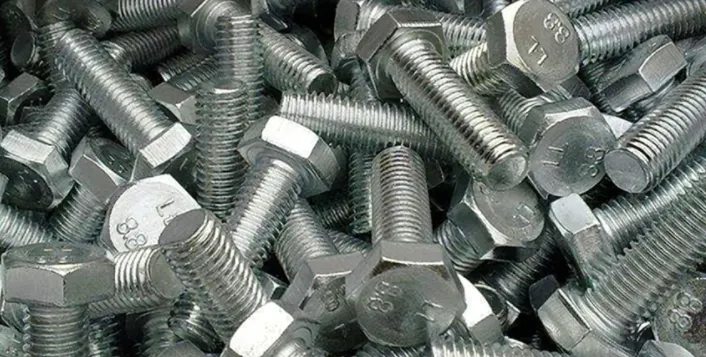
A 5-25μm zinc layer is formed by electrodeposition, and the basic NSS time is ≤72 hours. The use of organic sealant treatment (cost increase 5-8 times) can be increased to more than 200 hours. Attention should be paid to the risk of hydrogen embrittlement (parts with tensile strength ≥1000MPa need to be dehydrogenated at 190-230℃×8h).
Hot-dip galvanizing
A 50-200μm alloy coating is formed in 450℃ molten zinc, and the NSS performance is better than electrogalvanizing. However, there are problems such as zinc slag pollution, uneven coating thickness (±30μm) and energy consumption (zinc consumption 35-50kg/t), and the application is limited under the background of stricter environmental protection restrictions.
Zinc infiltration process
The Zn-Fe alloy layer is prepared by thermal diffusion technology (380-450℃), which has the following advantages:
Binding strength>30MPa (3 times higher than electroplating)
Coating uniformity error <±5μm
No waste liquid discharge, in compliance with the RoHS directive
Special protection process
Dacromet coating
It is composed of zinc-aluminum sheets (particle size 3-8μm), chromate and organic binder, and an impregnation-sintering process is used to form a 15-30μm inorganic film. The corrosion resistance is 7-10 times that of electroplating of the same thickness (consumption rate of 100h/μm), and there is no risk of hydrogen embrittlement, which is suitable for high-strength fasteners (10.9-12.9 grade).
Precious metal electroplating
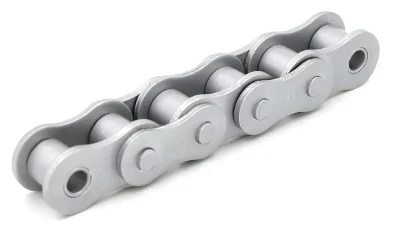
Cadmium plating: NSS>500h in marine atmosphere, but the cost of wastewater treatment is 15-20 times that of electrogalvanizing, mainly used in ship equipment
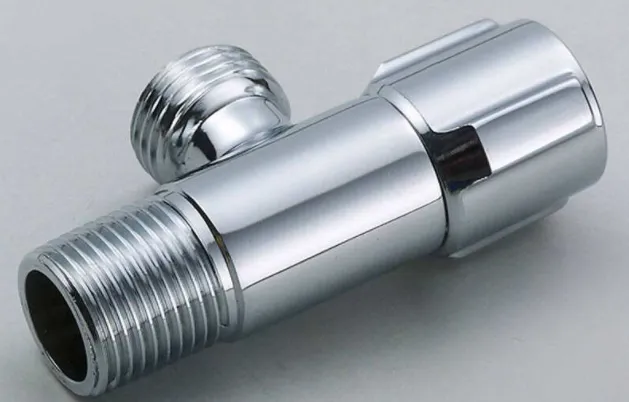
Chromium plating: surface hardness 800-1000HV, temperature resistance 650℃, copper/nickel primer required (total thickness ≥30μm), decorative>protective
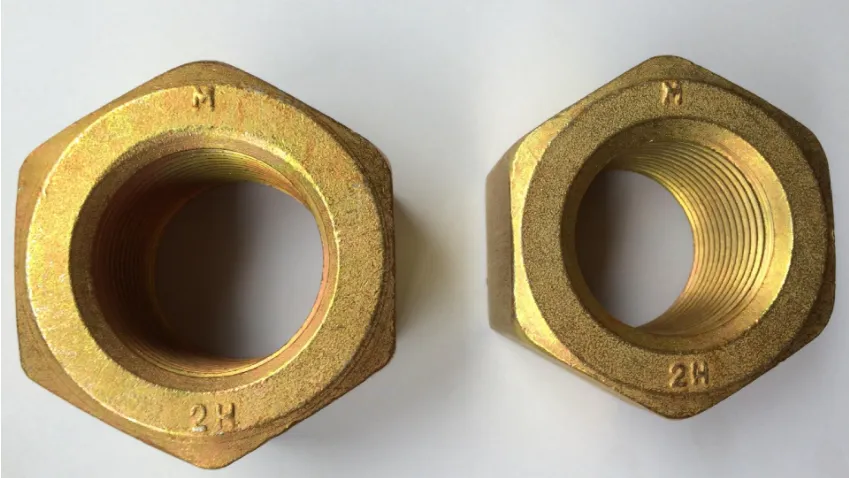
Nickel plating: NSS>200h in neutral environment, often used as the intermediate layer of composite plating
Process selection principles
It is recommended to select according to the GB/T 10125-2021 salt spray test standard, combined with the following factors:
Service environment: industrial atmosphere/marine climate/chemical corrosion
Mechanical requirements: hydrogen embrittlement sensitivity/wear resistance requirements
Economical efficiency: treatment cost to design life ratio
Environmental protection constraints: wastewater and exhaust gas emission levels
The current development trend shows that chromium-free Dacromet, nano-composite coating and physical vapor deposition (PVD) technology are gradually replacing traditional heavy pollution processes. It is recommended to give priority to environmentally friendly surface treatment solutions in the design of new equipment.(来源:iMechanics机械)


