



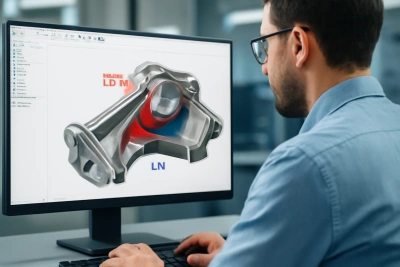
In precision metal machining, Design for Manufacturability (DFM) and Design for Inspection (DFI) play a critical role in reducing costs, improving quality, and shortening lead times. By addressing manufacturability and inspection feasibility during the design stage, manufacturers can avoid costly rework and inspection challenges later in production.
DFM: Making Machining More Efficient
Optimizing part geometry at the design stage helps simplify manufacturing and reduce unnecessary complexity.
Result: Shorter production cycles, lower scrap rate, and consistent dimensional accuracy.
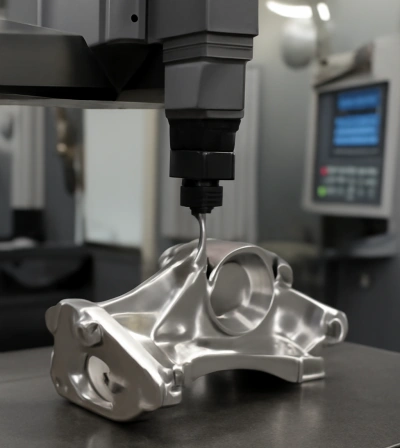
Case Study: For an aerospace component with multiple precision holes, we optimized the hole layout and machining sequence. This allowed machining of several surfaces in a single clamping, reducing tool changes and cutting single-part machining time by over 20%.
DFI: Making Inspection More Practical
Inspection feasibility is just as critical as manufacturability. By designing clear reference points and inspection features, we ensure accurate quality control.
Result: Faster and more reliable measurement, reduced risk of delivery delays.
Case Study: By adding standardized measurement points on a critical aerospace part, the customer reduced CMM inspection time by 30% and improved data consistency.
Why It Matters
Leading European and U.S. manufacturers emphasize DFM and DFI because they directly impact:
- Lower rework and waste
- Faster lead times
- Higher product consistency
As a certified precision machining partner (AS9100, ISO13485, ISO9001), Mid Precision help customers integrate DFM and DFI principles into their product development, ensuring every part is designed, manufactured, and inspected with efficiency and precision.


