Hey there! As a surface treatment supplier, I've seen firsthand how surface treatment can have a pretty significant impact on the elasticity of materials. Let's dive right in and explore this topic.
Understanding Elasticity
Before we talk about how surface treatment affects elasticity, let's quickly go over what elasticity is. Elasticity is a material's ability to return to its original shape after being deformed. You know, like when you stretch a rubber band and then let it go, and it snaps back to its normal size. That's elasticity in action.
Materials can have different levels of elasticity. Some are highly elastic, like rubber, while others might be less so, like certain metals. The elasticity of a material is determined by its internal structure and the forces between its atoms or molecules.
How Surface Treatment Changes the Game
Surface treatment is all about altering the surface properties of a material. There are tons of different surface treatment methods out there, and each one can have a unique effect on a material's elasticity.
1. Coating
One common surface treatment is coating. When we apply a coating to a material, we're essentially adding an extra layer on top of it. This layer can change the way the material behaves when it's deformed.
For example, let's say we're dealing with a metal part. A hard coating can make the surface more resistant to scratches and wear. But it can also affect the material's elasticity. If the coating is too rigid, it might restrict the material's ability to stretch and bend. On the other hand, a flexible coating can actually enhance the material's elasticity by providing some extra give.
2. Heat Treatment
Heat treatment is another important surface treatment method. By heating and cooling a material in a controlled way, we can change its internal structure. This can have a big impact on its elasticity.
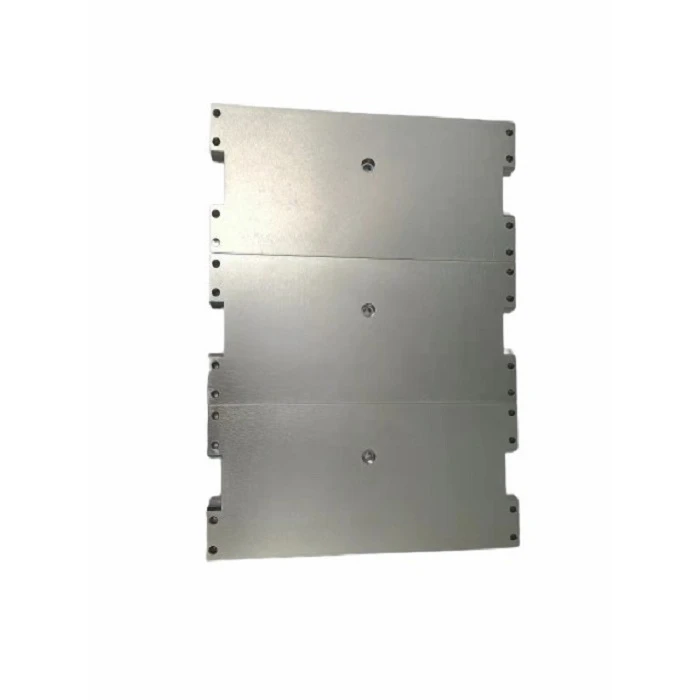
When we heat-treat a metal, we can make it either harder or softer. A harder metal might have lower elasticity because its atoms are more tightly packed together. But if we heat-treat it in the right way, we can also increase its toughness and improve its ability to deform without breaking.
3. Chemical Treatment
Chemical treatment involves using chemicals to modify the surface of a material. This can include processes like plating, etching, and passivation.
Plating, for example, can add a layer of a different metal to the surface of a material. This can change its mechanical properties, including its elasticity. Etching, on the other hand, can remove some of the surface material, which can also affect how the material deforms.
Case Studies
Let's take a look at some real-world examples of how surface treatment affects the elasticity of different materials.
Mid-carbon Steel
Mid-carbon steel is a widely used material in many industries. Mid-carbon Steel Surface Finishing can significantly change its elasticity.
If we apply a nitriding treatment to mid-carbon steel, we can increase its surface hardness. This can make the steel more resistant to wear and fatigue. However, it can also reduce its elasticity to some extent. The hard nitride layer on the surface restricts the steel's ability to stretch and bend.
On the other hand, if we use a process like shot peening on mid-carbon steel, we can actually improve its elasticity. Shot peening creates compressive stresses on the surface of the steel, which can help it better withstand deformation.
Engineering Plastic
Engineering plastics are known for their high strength and durability. Engineering Plastic Surface Finishing can have a unique effect on their elasticity.
A common surface treatment for engineering plastics is plasma treatment. This can improve the adhesion of coatings or other materials to the plastic surface. It can also change the surface energy of the plastic, which can affect its elasticity. A plasma-treated plastic might be more flexible and have better resistance to cracking.
Aluminum Alloys
Aluminum alloys are lightweight and have good corrosion resistance. Aluminum Alloys Surface Finishing can play a crucial role in their elasticity.
Anodizing is a popular surface treatment for aluminum alloys. It creates a hard, protective oxide layer on the surface. This layer can increase the alloy's resistance to wear and corrosion. But it can also make the surface more brittle, which might reduce its elasticity.
However, if we use a proper heat treatment in combination with anodizing, we can balance the hardness and elasticity of the aluminum alloy. This can result in a material that has both good mechanical properties and high elasticity.
Why It Matters
So, why does the effect of surface treatment on elasticity matter? Well, it has a huge impact on the performance and reliability of products.
In the automotive industry, for example, parts need to be able to withstand a lot of stress and deformation. If a part has the wrong level of elasticity, it might break or fail prematurely. Surface treatment can help ensure that the parts have the right balance of strength and flexibility.
In the aerospace industry, weight is a critical factor. Materials need to be lightweight but also have high elasticity to withstand the forces of flight. Surface treatment can help optimize the properties of materials to meet these requirements.
Contact Us for More
If you're interested in learning more about how surface treatment can affect the elasticity of your materials, or if you're looking for a reliable surface treatment supplier, don't hesitate to get in touch. We have a team of experts who can provide you with customized solutions based on your specific needs. Whether you're working with mid-carbon steel, engineering plastics, or aluminum alloys, we've got the knowledge and experience to help you get the best results.
References
- Callister, W. D., & Rethwisch, D. G. (2010). Materials Science and Engineering: An Introduction. Wiley.
- Ashby, M. F., & Jones, D. R. H. (2005). Engineering Materials 1: An Introduction to Properties, Applications, and Design. Butterworth-Heinemann.