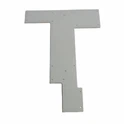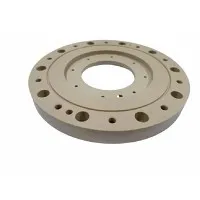

In the dynamic realm of manufacturing, the choice of materials can significantly influence both the quality of the end - product and the overall economic efficiency of the production process. Among the plethora of materials available, bent AL5052 sheet metal has emerged as a game - changer, offering a multitude of economic benefits. As a leading supplier of bending sheet metal AL5052, I am well - positioned to delve into the economic advantages that this material brings to the manufacturing sector.
Cost - effective Material Acquisition
One of the most immediate economic benefits of using bent AL5052 sheet metal is its relatively low material cost. Aluminum, in general, is more affordable compared to some other metals like brass and copper. AL5052, a specific alloy of aluminum, strikes an ideal balance between cost and performance. When compared to Brass and Copper Sheet Metal Fabrication, the raw material price of AL5052 is significantly lower, which directly translates into cost savings for manufacturers at the procurement stage.
Moreover, aluminum is abundant in nature, ensuring a stable supply chain. This stability reduces the risk of price fluctuations due to supply shortages. Unlike some rare or precious metals, the consistent availability of AL5052 allows manufacturers to plan their budgets more accurately. They can lock in long - term contracts with suppliers like us, taking advantage of bulk - purchasing discounts. This predictability in material cost is invaluable in an industry where cost control is a key determinant of profitability.
Lightweight and Transportation Cost Savings
Bent AL5052 sheet metal is renowned for its lightweight nature. Aluminum, being about one - third the weight of steel, offers substantial transportation cost savings. When manufacturers use AL5052 instead of steel in their products, they reduce the overall weight of the items being transported. This means that more products can be shipped in a single vehicle without exceeding weight limits, optimizing the use of transportation resources.
For instance, in the automotive or aerospace industries, where every extra pound can add to fuel costs over long distances, using lightweight AL5052 components can lead to significant savings. In the automotive sector, lighter vehicles also tend to have better fuel efficiency, which is not only cost - saving for the end - user but can also enhance the marketability of the product.
The reduced weight also simplifies the handling and installation processes. This requires less labor and fewer tools, further cutting down on associated costs during the manufacturing and assembly stages. Compared to Steel Sheet Metal Fabrication, the ease of working with AL5052 due to its light weight can lead to faster production cycles and lower labor expenses.
High Formability and Reduced Scrap Rates
AL5052 sheet metal exhibits excellent formability, which means it can be easily bent, shaped, and fabricated into various complex designs without cracking or breaking. This high formability is a major economic advantage as it reduces scrap rates. When a material has poor formability, manufacturers often encounter issues during the bending and shaping processes, resulting in defective parts that need to be discarded.
With bent AL5052, our manufacturing partners can achieve tight bending radii and intricate shapes without compromising the integrity of the material. This leads to a higher yield of usable parts from each sheet of metal, increasing the overall efficiency of the production process. For example, in the manufacturing of electronic enclosures or architectural components, the ability to form precise shapes accurately the first time eliminates the need for rework or additional material purchases, saving both time and money.
In addition, the high formability of AL5052 allows for more flexibility in design. Manufacturers can create innovative and unique products that can command higher market prices. This design flexibility gives companies a competitive edge in the market, potentially leading to increased sales and profits.
Corrosion Resistance and Long - term Cost Savings
Bent AL5052 sheet metal has excellent corrosion resistance properties. Aluminum forms a thin, protective oxide layer on its surface when exposed to air, which prevents further oxidation and corrosion. This means that products made from AL5052 do not require extensive and costly corrosion - prevention treatments such as painting or galvanizing, unlike steel.
In applications where the product is exposed to harsh environments, such as outdoor signage, marine equipment, or automotive components that are exposed to road salt, the corrosion resistance of AL5052 ensures a longer lifespan. This reduces the frequency of replacement and maintenance, resulting in significant long - term cost savings.


For example, in a marine environment, steel components would need regular repainting and maintenance to prevent rusting. In contrast, AL5052 components can withstand the corrosive effects of saltwater for a much longer time without extensive upkeep. This not only saves on the direct costs of maintenance but also reduces the downtime associated with maintenance activities, which can be particularly costly in industries where continuous operation is critical.
Energy Efficiency in Fabrication
The fabrication process of bent AL5052 sheet metal is energy - efficient. Aluminum has a relatively low melting point compared to other metals like steel. This means that less energy is required to heat and shape the material during the manufacturing process. For example, in the Aluminum Sheet Metal Fabrication process, the energy consumption during processes such as forging, bending, and welding is significantly lower when using AL5052 compared to steel.
Reduced energy consumption not only translates into cost savings for the manufacturer but also contributes to environmental sustainability. In today's business landscape, where environmental considerations are increasingly important, using energy - efficient materials and processes can enhance a company's corporate image and may even make it eligible for certain environmental incentives or certifications.
Recyclability and Cost - effective Recycling
AL5052 is highly recyclable. In fact, aluminum can be recycled repeatedly without losing its properties. This recyclability offers economic benefits in two ways. Firstly, manufacturers can collect and recycle scrap AL5052 from their production processes, reducing the need to purchase new raw materials. This internal recycling system can lead to significant cost savings over time.
Secondly, at the end of a product's life cycle, the AL5052 components can be recycled and sold back into the market. This creates a secondary revenue stream for manufacturers. The aluminum recycling industry is well - established, and there is a high demand for recycled aluminum. By choosing bent AL5052 sheet metal, manufacturers are participating in a circular economy, which can reduce their environmental footprint while also improving their bottom line.
Conclusion
The economic benefits of using bent AL5052 sheet metal in manufacturing are numerous and far - reaching. From cost - effective material acquisition and transportation savings to reduced scrap rates, corrosion resistance, energy efficiency, and recyclability, this material offers a comprehensive solution for manufacturers looking to optimize their production processes and increase profitability.
As a trusted supplier of bending sheet metal AL5052, we are committed to providing high - quality products and excellent service to our customers. If you are interested in exploring how bent AL5052 can benefit your manufacturing operations, we invite you to reach out to us for a detailed discussion. We can help you assess your specific needs and provide tailored solutions that will maximize your economic advantages.
References
- ASM Handbook Committee. (2000). ASM Handbook, Volume 2: Properties and Selection: Nonferrous Alloys and Special - Purpose Materials. ASM International.
- Totten, G. E., & Mackenzie, T. B. (2003). Handbook of Aluminum. CRC Press.
- Schweitzer, P. A. (2004). Corrosion - Resistant Materials. Marcel Dekker.