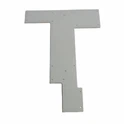
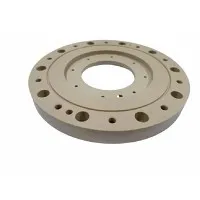
Machining ceramic materials is a complex and challenging process, especially when it comes to achieving high repeatability. As a supplier specializing in Ceramic Material Machining, we understand the importance of precision and consistency in this field. In this blog post, we will explore various strategies and techniques to improve the machining repeatability of ceramic materials.
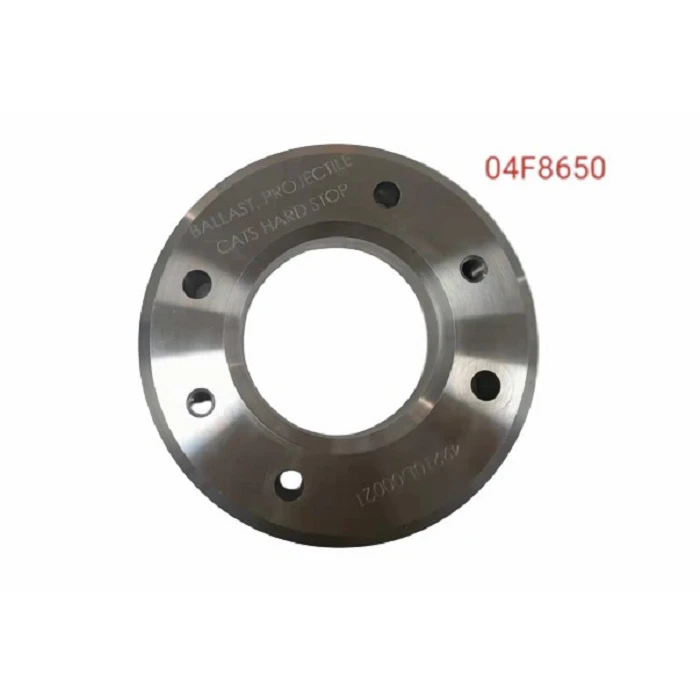
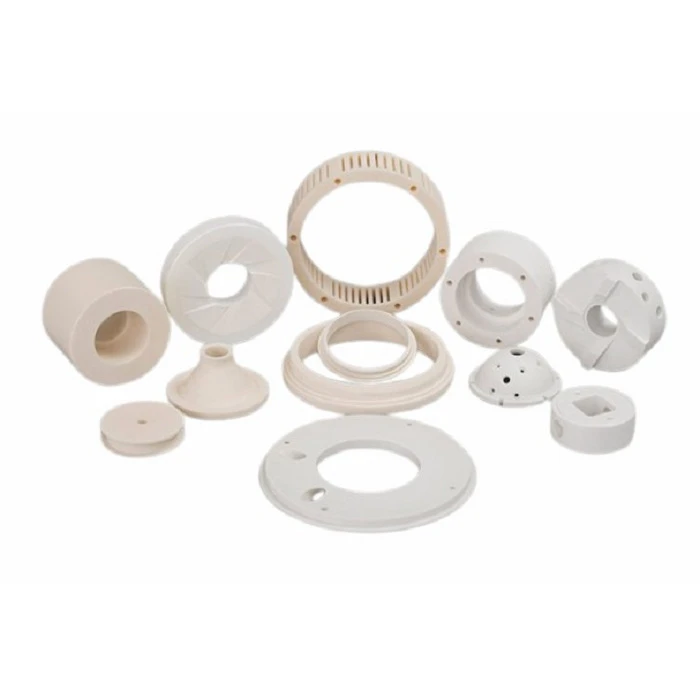
Understanding Ceramic Materials
Ceramic materials are known for their unique properties, such as high hardness, wear resistance, high temperature resistance, and low thermal expansion. These properties make them suitable for a wide range of applications, including aerospace, electronics, and medical devices. However, these same properties also pose challenges during machining.
The high hardness of ceramics can cause rapid tool wear, leading to inconsistent machining results. Additionally, the low thermal conductivity of ceramics can result in heat buildup during machining, which may cause thermal cracking and other defects. Understanding these material characteristics is the first step in improving machining repeatability.
Tool Selection and Maintenance
One of the most critical factors in achieving high machining repeatability is the selection and maintenance of cutting tools. For ceramic materials, diamond or cubic boron nitride (CBN) tools are often preferred due to their high hardness and wear resistance. These tools can withstand the high cutting forces and abrasive nature of ceramics, resulting in more consistent machining.
However, even the best tools will wear over time. Regular tool inspection and replacement are essential to maintain machining repeatability. Establishing a tool management system can help track tool usage, monitor wear, and schedule timely replacements. This system should include detailed records of tool life, cutting parameters, and any signs of wear or damage.
Cutting Parameters Optimization
Optimizing cutting parameters is another key aspect of improving machining repeatability. The cutting speed, feed rate, and depth of cut all have a significant impact on the machining process. For ceramic materials, lower cutting speeds and feed rates are generally recommended to reduce tool wear and prevent thermal damage.
However, finding the optimal cutting parameters requires careful experimentation and analysis. It is important to consider the specific properties of the ceramic material, the type of cutting tool, and the desired machining outcome. Conducting a series of test cuts and measuring the resulting surface finish, dimensional accuracy, and tool wear can help identify the best combination of cutting parameters for a particular application.
Workholding and Fixturing
Proper workholding and fixturing are essential to ensure that the ceramic workpiece remains stable during machining. Any movement or vibration of the workpiece can lead to inconsistent machining results. When selecting a workholding system, it is important to consider the shape, size, and material properties of the ceramic workpiece.
For example, vacuum chucks or magnetic fixtures can be effective for holding flat ceramic parts, while custom-made fixtures may be required for more complex shapes. The workholding system should provide sufficient clamping force to prevent movement, but not so much that it causes damage to the workpiece. Additionally, the fixture should be designed to minimize vibration and provide good access for the cutting tool.
Machining Environment Control
The machining environment can also have a significant impact on machining repeatability. Temperature, humidity, and air quality can all affect the performance of the cutting tools and the stability of the workpiece. Maintaining a stable machining environment can help reduce variability and improve consistency.
For example, controlling the temperature and humidity in the machining area can prevent thermal expansion and contraction of the ceramic workpiece, which can lead to dimensional errors. Additionally, using a high-quality air filtration system can remove dust and debris from the air, which can cause tool wear and surface defects.
Quality Control and Inspection
Implementing a comprehensive quality control and inspection process is essential to ensure machining repeatability. This process should include in-process inspections to monitor the machining process and identify any potential issues early on. Additionally, final inspections should be conducted to verify the dimensional accuracy, surface finish, and other critical properties of the machined ceramic parts.
Non-destructive testing methods, such as ultrasonic testing or X-ray inspection, can be used to detect internal defects in the ceramic parts. Dimensional inspection using precision measuring instruments, such as coordinate measuring machines (CMMs), can ensure that the parts meet the required specifications. Any deviations from the desired quality standards should be investigated and corrected immediately to prevent further issues.
Employee Training and Skill Development
Finally, investing in employee training and skill development is crucial for improving machining repeatability. Machining ceramic materials requires specialized knowledge and skills, and it is important to ensure that your employees are properly trained and experienced.
Providing regular training on the latest machining techniques, tool selection, and quality control methods can help improve the skills and knowledge of your workforce. Additionally, encouraging employees to share their experiences and ideas can lead to continuous improvement in the machining process.
Conclusion
Improving the machining repeatability of ceramic materials is a complex but achievable goal. By understanding the material properties, selecting and maintaining the right cutting tools, optimizing cutting parameters, using proper workholding and fixturing, controlling the machining environment, implementing a comprehensive quality control and inspection process, and investing in employee training and skill development, you can achieve more consistent and precise machining results.
As a Ceramic Material Machining supplier, we are committed to helping our customers overcome the challenges of machining ceramic materials. If you are interested in learning more about our services or have any questions about improving machining repeatability, please feel free to contact us. We look forward to discussing your specific needs and finding the best solutions for your application.
References
- Smith, J. (2018). Machining of Advanced Ceramics. CRC Press.
- Jones, A. (2019). Cutting Tool Technology for Ceramic Materials. Elsevier.
- Brown, C. (2020). Quality Control in Ceramic Machining. ASME Press.