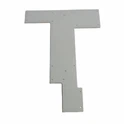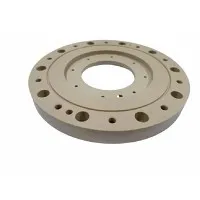

Hey there! As a supplier of CNC Machining POM parts, I've seen firsthand how crucial it is to improve the fatigue resistance of these parts. POM, or polyoxymethylene, is a high-performance engineering plastic known for its excellent mechanical properties, low friction, and good dimensional stability. However, like any material, it can be subject to fatigue failure under repeated loading. In this blog post, I'll share some tips and tricks on how to enhance the fatigue resistance of CNC machined POM parts.
Understanding Fatigue in POM Parts
Before we dive into the solutions, let's first understand what fatigue is and how it affects POM parts. Fatigue is the progressive and localized structural damage that occurs when a material is subjected to cyclic loading. In the case of POM parts, this can happen due to repeated stress, vibration, or impact. Over time, these cyclic loads can cause cracks to form and propagate, eventually leading to failure.
There are several factors that can influence the fatigue resistance of POM parts, including:
- Material properties: The chemical composition, molecular structure, and mechanical properties of POM can affect its fatigue resistance. For example, POM with a higher molecular weight generally has better fatigue resistance than POM with a lower molecular weight.
- Part design: The shape, size, and geometry of the part can also play a role in its fatigue resistance. Parts with sharp corners, notches, or holes are more likely to experience stress concentration, which can lead to fatigue failure.
- Machining process: The CNC machining process can introduce residual stresses and surface defects in the part, which can reduce its fatigue resistance. Proper machining techniques and parameters are essential to minimize these effects.
- Operating conditions: The environment in which the part operates, including temperature, humidity, and chemical exposure, can also affect its fatigue resistance. POM parts that are exposed to high temperatures or harsh chemicals may experience accelerated fatigue.
Tips for Improving Fatigue Resistance
Now that we understand the factors that can affect the fatigue resistance of POM parts, let's look at some practical tips for improving it.
1. Choose the Right Material
The first step in improving the fatigue resistance of POM parts is to choose the right material. As mentioned earlier, POM with a higher molecular weight generally has better fatigue resistance. Look for POM grades that are specifically designed for high-stress applications or have been modified to improve their fatigue properties.
In addition to molecular weight, other material properties to consider include:
- Tensile strength: A higher tensile strength generally indicates better fatigue resistance.
- Elongation at break: A higher elongation at break means the material can withstand more deformation before breaking, which can help prevent fatigue failure.
- Hardness: A harder material may be more resistant to wear and abrasion, which can reduce the risk of fatigue failure.
2. Optimize Part Design
The design of the part can have a significant impact on its fatigue resistance. Here are some design considerations to keep in mind:
- Avoid sharp corners and notches: Sharp corners and notches can cause stress concentration, which can lead to fatigue failure. Use rounded corners and fillets instead.
- Minimize holes and cutouts: Holes and cutouts can also cause stress concentration. If possible, reduce the number of holes and cutouts in the part or use larger, rounded holes instead of small, sharp ones.
- Use proper ribbing and gusseting: Ribbing and gusseting can help distribute stress evenly across the part, reducing the risk of stress concentration and fatigue failure.
- Consider the part's orientation: The orientation of the part during machining and use can affect its fatigue resistance. Make sure the part is designed and machined in a way that minimizes the stress concentration in critical areas.
3. Improve Machining Techniques
The CNC machining process can have a significant impact on the fatigue resistance of POM parts. Here are some tips for improving machining techniques:
- Use sharp tools: Dull tools can cause excessive heat and friction, which can lead to surface defects and residual stresses in the part. Use sharp tools and replace them regularly to ensure a clean and precise cut.
- Optimize cutting parameters: The cutting speed, feed rate, and depth of cut can all affect the quality of the machined surface and the amount of residual stress in the part. Experiment with different cutting parameters to find the optimal settings for your application.
- Minimize machining-induced stress: The CNC machining process can introduce residual stresses in the part, which can reduce its fatigue resistance. Use techniques such as stress relieving heat treatment or shot peening to minimize these stresses.
- Inspect the machined surface: After machining, inspect the part's surface for any defects or irregularities. Any surface defects should be repaired or removed before the part is used.
4. Apply Surface Treatments
Surface treatments can help improve the fatigue resistance of POM parts by providing a protective layer and reducing the risk of surface damage. Here are some common surface treatments for POM parts:
- Coating: Applying a coating to the part's surface can help protect it from wear, corrosion, and chemical exposure. There are several types of coatings available, including epoxy, polyurethane, and PTFE.
- Plating: Plating can provide a hard and durable surface layer that can improve the part's wear resistance and fatigue resistance. Common plating materials for POM parts include nickel, chrome, and zinc.
- Shot peening: Shot peening is a process in which small metal shots are fired at the part's surface to induce compressive stresses. This can help improve the part's fatigue resistance by reducing the risk of crack initiation and propagation.
- Laser texturing: Laser texturing is a process in which a laser is used to create a pattern on the part's surface. This can help improve the part's tribological properties and reduce the risk of wear and fatigue.
5. Control Operating Conditions
The operating conditions of the POM part can also affect its fatigue resistance. Here are some tips for controlling operating conditions:


- Limit the part's temperature: POM has a relatively low melting point, so it's important to limit the part's temperature to prevent thermal degradation. Make sure the part is operated within its recommended temperature range.
- Avoid chemical exposure: POM is sensitive to certain chemicals, such as acids and alkalis. Avoid exposing the part to these chemicals to prevent chemical degradation and fatigue failure.
- Reduce vibration and impact: Vibration and impact can cause cyclic loading on the part, which can lead to fatigue failure. Use vibration damping materials or shock absorbers to reduce the impact of vibration and impact on the part.
- Maintain proper lubrication: Proper lubrication can help reduce friction and wear between the part and its mating surfaces, which can improve the part's fatigue resistance. Use a lubricant that is compatible with POM and the operating conditions of the part.
Conclusion
Improving the fatigue resistance of CNC machined POM parts is essential for ensuring their long-term performance and reliability. By choosing the right material, optimizing part design, improving machining techniques, applying surface treatments, and controlling operating conditions, you can significantly enhance the fatigue resistance of your POM parts.
As a supplier of CNC Machining POM parts, I'm committed to providing high-quality products that meet the needs of my customers. If you're interested in learning more about our CNC machining services or have any questions about improving the fatigue resistance of POM parts, please don't hesitate to contact us for a consultation. We'd be happy to help you find the best solution for your application.
References
- "Plastic Materials," by J. A. Brydson
- "Engineering Plastics: Properties and Applications," by Donald V. Rosato and Dominick V. Rosato
- "CNC Machining Handbook," by Mark J. Reinhart