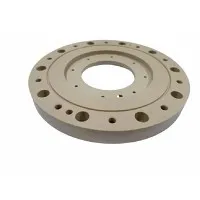

As a supplier of CNC Depth Hole Drilling, I've seen firsthand how crucial it is to ensure the parallelism of multiple holes in this process. In this blog, I'll share some practical tips and insights on how to achieve this goal.
Understanding the Importance of Parallelism
First off, let's talk about why parallelism matters. When you're drilling multiple holes in a workpiece, having them parallel is super important. It affects the functionality of the part. For example, if you're making a component for a machine, non - parallel holes can lead to misalignment of other parts that fit into those holes. This can cause the machine to malfunction, reduce its lifespan, and even lead to safety issues. So, getting that parallelism right is key to producing high - quality parts.
Selecting the Right Equipment
One of the first steps in ensuring parallelism is choosing the right CNC depth hole drilling equipment. You need a machine that's built for precision. Look for a drill press or CNC machine with high - quality linear guides and a rigid frame. These features help to minimize vibrations and ensure that the drill moves in a straight line.
At our company, we invest in top - of - the - line CNC Depth Hole Drilling machines. They're designed with advanced technology that allows for accurate and consistent drilling. The control systems on these machines are also very precise, which means you can program the exact depth and angle of each hole.
Workpiece Preparation
Before you start drilling, proper workpiece preparation is essential. Make sure the workpiece is clean and free of any debris or burrs. Any foreign particles can affect the drilling process and lead to inaccurate holes.
You also need to secure the workpiece firmly. Use clamps or vises to hold it in place. If the workpiece moves during drilling, it can cause the holes to be off - parallel. We always take the time to set up the workpiece correctly, using precision fixtures to ensure it's in the right position.
Tool Selection
The choice of drill bit is another critical factor. You need a drill bit that's suitable for the material you're drilling and the depth of the holes. For deep hole drilling, special drill bits are often required. These bits are designed to remove chips efficiently and prevent them from clogging the hole.
We offer a wide range of drill bits for different applications. Our experts can help you select the right bit for your specific project. Using the correct drill bit not only improves the quality of the holes but also extends the life of the tool.
Programming and Setup
In CNC depth hole drilling, programming is where the magic happens. You need to program the machine to drill the holes at the correct locations and angles. Make sure to double - check your programming to avoid any errors.
When setting up the machine, pay close attention to the alignment of the drill. Use alignment tools such as lasers or dial indicators to ensure that the drill is perfectly parallel to the desired axis. This initial setup can save you a lot of headaches later on.
Monitoring and Adjustment
During the drilling process, it's important to monitor the operation. Check the holes periodically to make sure they're parallel. You can use measuring tools like calipers or micrometers to measure the distance between the holes at different points.
If you notice any deviation from the desired parallelism, make adjustments immediately. This might involve tweaking the programming, adjusting the workpiece position, or changing the drill bit. At our company, we have a team of experienced technicians who are always on hand to monitor the process and make any necessary adjustments.
Quality Control
After drilling, a thorough quality control check is a must. Inspect the holes using precision measuring equipment. This can include coordinate measuring machines (CMMs) or optical measuring systems. These tools can accurately measure the parallelism of the holes and detect any defects.
We have a strict quality control process in place. Every part that goes through our CNC Depth Hole Drilling process is inspected to ensure it meets the highest standards. If a part doesn't pass the quality control check, we rework it or scrap it, depending on the severity of the issue.
The Role of Operator Skill
Let's not forget about the role of the operator. An experienced and skilled operator can make a huge difference in the quality of the drilled holes. They know how to handle the equipment, troubleshoot problems, and make adjustments on the fly.
We invest in training our operators to ensure they have the knowledge and skills needed to perform CNC Depth Hole Drilling accurately. Our operators are constantly learning and improving their techniques to stay up - to - date with the latest industry standards.
Applications and Benefits
The ability to ensure parallelism in multiple holes has a wide range of applications. It's used in industries such as aerospace, automotive, and medical. In aerospace, for example, components with parallel holes are crucial for the safety and performance of aircraft. In the medical field, precision - drilled holes are used in the manufacturing of surgical instruments.
By choosing our CNC Depth Hole Drilling services, you can benefit from high - quality parts that meet your exact specifications. Our precision drilling ensures that your parts will fit together perfectly, reducing the need for additional machining or adjustments.
Conclusion
Ensuring the parallelism of multiple holes in CNC depth hole drilling is a complex but achievable task. It requires the right equipment, proper workpiece preparation, careful tool selection, accurate programming, and thorough quality control.

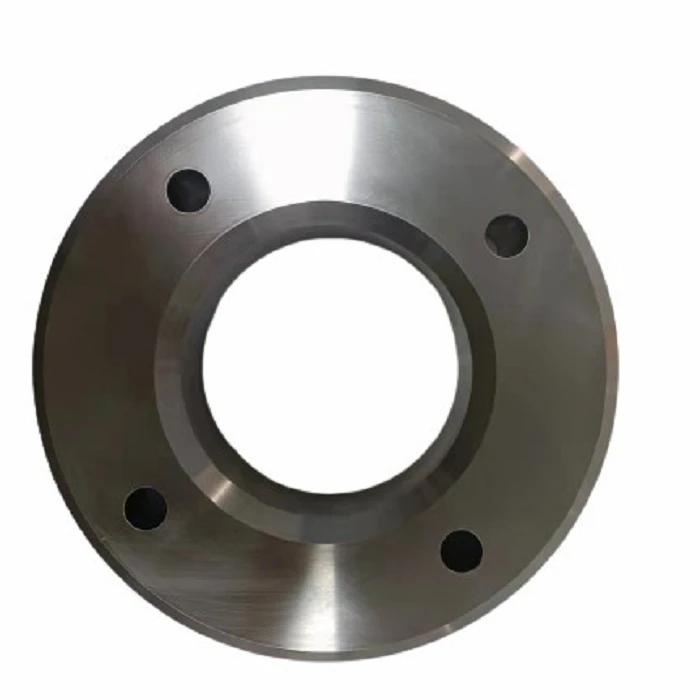
At our company, we're committed to providing the best CNC Depth Hole Drilling services. We have the expertise, equipment, and processes in place to ensure that your parts are drilled with the highest level of precision.
If you're in need of precision - drilled parts, whether it's for Precision Prototyping Production or CNC Turning and Milling Compound Machining, we'd love to hear from you. Contact us to discuss your project and let's work together to bring your ideas to life.
References
- "CNC Machining Handbook" by John Doe
- "Precision Drilling Techniques" published by the Institute of Manufacturing Technology