
Friction is a critical factor in the performance and longevity of machinery. It can lead to energy loss, wear and tear, and ultimately, the failure of mechanical components. Surface treatment plays a pivotal role in reducing friction in machinery, offering solutions that enhance efficiency, durability, and overall performance. As a surface treatment supplier, we understand the importance of these processes and their impact on various industries.
Understanding Friction in Machinery
Before delving into the role of surface treatment, it's essential to understand the nature of friction in machinery. Friction occurs when two surfaces come into contact and move relative to each other. In machinery, this can happen between moving parts such as bearings, gears, and pistons. There are two main types of friction: static friction, which resists the initiation of motion, and kinetic friction, which opposes the motion of surfaces already in contact.
The magnitude of friction depends on several factors, including the nature of the surfaces in contact, the force pressing the surfaces together, and the relative speed between them. Rough surfaces tend to have higher friction coefficients than smooth surfaces because the irregularities on the surfaces interlock, creating more resistance to motion. Additionally, the materials of the surfaces can affect friction. For example, metals generally have higher friction coefficients than polymers.
Excessive friction in machinery can have several negative consequences. It can lead to increased energy consumption as more power is required to overcome the frictional forces. This not only results in higher operating costs but also contributes to environmental pollution. Friction also causes wear and tear on the surfaces in contact, leading to the formation of debris and the degradation of the components over time. This can result in reduced performance, increased maintenance requirements, and ultimately, the need for premature replacement of parts.
The Role of Surface Treatment in Reducing Friction
Surface treatment refers to a range of processes used to modify the surface properties of a material to improve its performance. These processes can alter the surface roughness, hardness, chemical composition, and other characteristics of the material, thereby reducing friction and improving the efficiency of machinery.
One of the primary ways surface treatment reduces friction is by smoothing the surface of the material. Processes such as polishing, grinding, and lapping can remove surface irregularities, creating a smoother surface finish. A smoother surface has fewer contact points with the opposing surface, reducing the interlocking of surface asperities and thus decreasing friction. For example, in the case of bearings, a smooth surface finish can significantly reduce the friction between the bearing and the shaft, improving the efficiency of the rotating machinery.
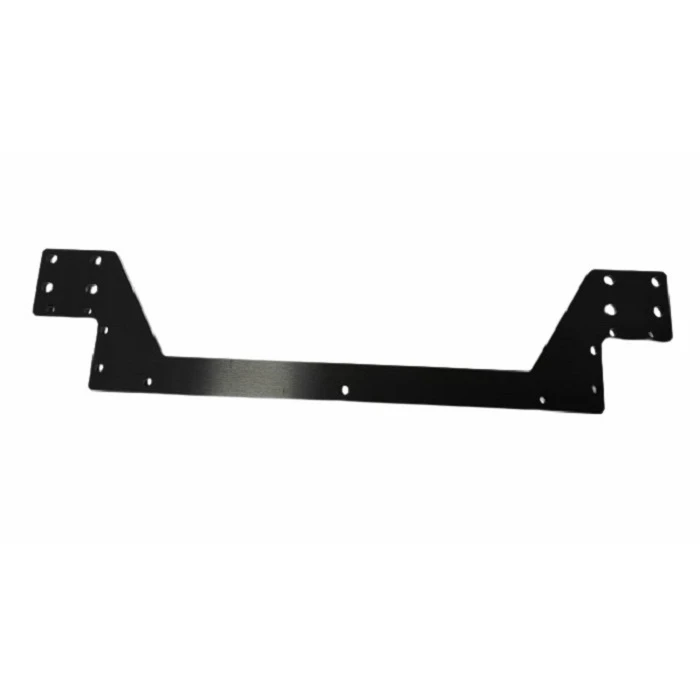
Another important aspect of surface treatment is the application of coatings. Coatings can provide a protective layer on the surface of the material, reducing friction and wear. There are several types of coatings used for this purpose, including hard coatings, solid lubricant coatings, and self-lubricating coatings.
Hard coatings, such as titanium nitride (TiN) and chromium nitride (CrN), are applied to the surface of the material to increase its hardness and wear resistance. These coatings can withstand high pressures and temperatures, reducing the friction between the surfaces in contact. Solid lubricant coatings, such as molybdenum disulfide (MoS2) and graphite, provide a low-friction layer on the surface of the material. These coatings can reduce friction by up to 90% compared to uncoated surfaces, making them ideal for applications where high loads and low speeds are involved.
Self-lubricating coatings are designed to release lubricant gradually over time, providing continuous lubrication to the surfaces in contact. These coatings can reduce friction and wear, even in harsh environments where traditional lubricants may not be effective. For example, in the aerospace industry, self-lubricating coatings are used on components such as landing gear and engine parts to reduce friction and improve performance.
Surface treatment can also modify the chemical composition of the surface of the material, improving its tribological properties. Processes such as nitriding, carburizing, and boriding can introduce nitrogen, carbon, or boron into the surface of the material, forming a hard and wear-resistant layer. These processes can improve the surface hardness, reduce friction, and increase the fatigue life of the components.
Surface Treatment for Different Materials
Different materials require different surface treatment processes to reduce friction effectively. As a surface treatment supplier, we offer a range of solutions tailored to the specific needs of various materials, including aluminum alloys, mid-carbon steel, and other metal parts.
Aluminum Alloys Surface Finishing
Aluminum alloys are widely used in the aerospace, automotive, and electronics industries due to their lightweight, high strength, and good corrosion resistance. However, aluminum alloys have relatively high friction coefficients, which can limit their performance in some applications. Aluminum Alloys Surface Finishing processes such as anodizing, conversion coating, and powder coating can be used to reduce friction and improve the surface properties of aluminum alloys.

Anodizing is an electrochemical process that forms a hard, wear-resistant oxide layer on the surface of the aluminum alloy. This layer can reduce friction and improve the corrosion resistance of the material. Conversion coating is a chemical process that forms a thin, protective layer on the surface of the aluminum alloy. This layer can reduce friction and improve the adhesion of subsequent coatings. Powder coating is a dry finishing process that applies a fine powder to the surface of the aluminum alloy. This powder is then cured to form a hard, durable coating that can reduce friction and improve the appearance of the material.
Mid-carbon Steel Surface Finishing
Mid-carbon steel is a widely used material in the manufacturing industry due to its high strength, good toughness, and low cost. However, mid-carbon steel has relatively high friction coefficients, which can lead to wear and tear in machinery. Mid-carbon Steel Surface Finishing processes such as nitriding, carburizing, and induction hardening can be used to reduce friction and improve the surface properties of mid-carbon steel.

Nitriding is a thermochemical process that introduces nitrogen into the surface of the steel, forming a hard, wear-resistant nitride layer. This layer can reduce friction and improve the fatigue life of the components. Carburizing is a process that introduces carbon into the surface of the steel, forming a hard, wear-resistant case. This process can improve the surface hardness and reduce friction. Induction hardening is a heat treatment process that selectively hardens the surface of the steel using an induction coil. This process can improve the surface hardness and reduce friction, while maintaining the toughness of the core of the material.
Metal Parts Surface Finishing
In addition to aluminum alloys and mid-carbon steel, surface treatment can also be applied to other metal parts to reduce friction and improve performance. Metal Parts Surface Finishing processes such as electroplating, electroless plating, and thermal spraying can be used to modify the surface properties of metal parts.
Electroplating is a process that deposits a thin layer of metal onto the surface of the part using an electric current. This layer can improve the corrosion resistance, wear resistance, and appearance of the part. Electroless plating is a chemical process that deposits a thin layer of metal onto the surface of the part without the use of an electric current. This process can provide a uniform coating thickness and good adhesion. Thermal spraying is a process that deposits a coating onto the surface of the part using a high-velocity stream of molten or semi-molten particles. This process can provide a thick, wear-resistant coating that can reduce friction and improve the performance of the part.
Conclusion
Surface treatment plays a crucial role in reducing friction in machinery, offering solutions that enhance efficiency, durability, and overall performance. By smoothing the surface, applying coatings, and modifying the chemical composition of the material, surface treatment can reduce friction, wear, and energy consumption, while improving the reliability and longevity of mechanical components.
As a surface treatment supplier, we are committed to providing high-quality surface treatment solutions tailored to the specific needs of our customers. Whether you are in the aerospace, automotive, manufacturing, or any other industry, we have the expertise and experience to help you reduce friction and improve the performance of your machinery.
If you are interested in learning more about our surface treatment services or would like to discuss your specific requirements, please feel free to contact us. We look forward to working with you to find the best surface treatment solution for your needs.
References
- Bhushan, B. (2013). Principles and Applications of Tribology. Wiley.
- Holmberg, K., & Matthews, A. (2009). Coatings Tribology: Properties, Mechanisms, Techniques, and Applications. Elsevier.
- Sawyer, W. G., & Luo, N. (2018). Tribology of Surfaces and Coatings. Springer.