Hey there! As a supplier in the surface treatment industry, I often get asked about the process of chromating. Chromating is a pretty important part of surface treatment, especially when it comes to enhancing the corrosion resistance and aesthetic appeal of metal parts. So, let's dive right into it and break down the process step by step.
What is Chromating?
First off, let's clarify what chromating actually is. Chromating is a chemical conversion coating process that forms a thin layer on the surface of metals, typically aluminum, zinc, or magnesium alloys. This layer not only provides corrosion protection but also improves paint adhesion if the part is going to be painted later. It's like giving your metal parts a protective shield and a better base for further finishing.
The Chromating Process
Step 1: Surface Preparation
The first and arguably the most crucial step in the chromating process is surface preparation. Before we can apply the chromate coating, we need to make sure the metal surface is clean and free of any contaminants like oil, grease, dirt, or oxides. There are a few different methods we use for this:
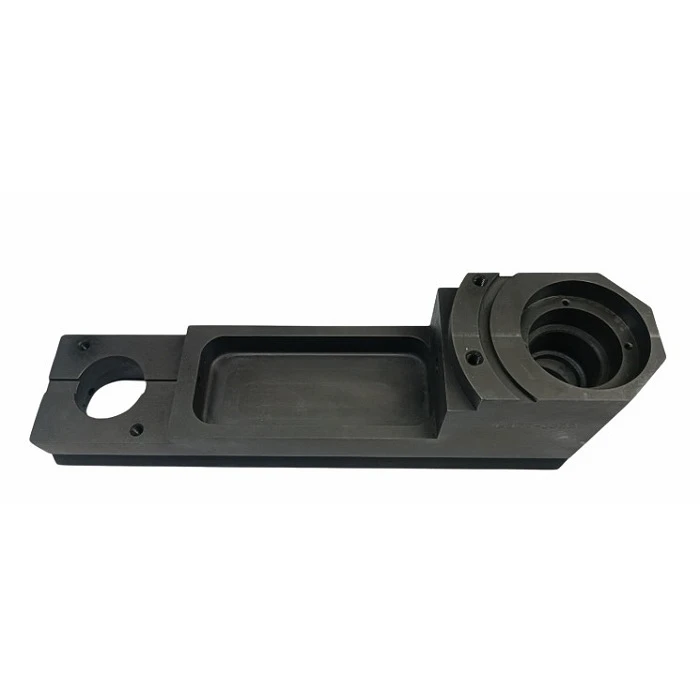
- Degreasing: We use a degreasing agent to remove any oil or grease from the surface. This can be done by soaking the parts in a degreasing solution or using a spray method. Once the parts are degreased, they are thoroughly rinsed with water to remove any remaining degreasing agent.
- Etching: After degreasing, we may etch the surface to remove any oxides and create a rough surface for better coating adhesion. Etching is typically done using an acidic solution. The parts are immersed in the etching solution for a specific amount of time, depending on the type of metal and the desired surface finish. After etching, the parts are rinsed again to remove any residual acid.
Step 2: Chromate Application
Once the surface is properly prepared, it's time to apply the chromate coating. There are several methods for applying chromate, but the most common ones are immersion and spraying.
- Immersion: In the immersion method, the prepared parts are dipped into a chromate solution. The solution contains chromium compounds, usually hexavalent or trivalent chromium, along with other additives. The parts are left in the solution for a specific period of time, allowing the chromate to react with the metal surface and form a thin, protective layer. The thickness of the coating can be controlled by adjusting the immersion time and the concentration of the chromate solution.
- Spraying: Spraying is another popular method for applying chromate. It's especially useful for large parts or parts with complex shapes. In this method, the chromate solution is sprayed onto the surface of the parts using a spray gun. The advantage of spraying is that it allows for more precise control of the coating thickness and coverage.
Step 3: Rinsing and Drying
After the chromate coating has been applied, the parts are rinsed thoroughly with water to remove any excess chromate solution. This is important to prevent the formation of streaks or stains on the surface. Once the parts are rinsed, they are dried using a hot air dryer or an oven. The drying process helps to cure the chromate coating and improve its adhesion to the metal surface.
Step 4: Inspection and Quality Control
Once the parts are dry, they go through a thorough inspection to ensure that the chromate coating meets the required quality standards. We check for things like coating thickness, adhesion, and corrosion resistance. There are several methods for inspecting the chromate coating, including visual inspection, thickness measurement using a coating thickness gauge, and adhesion testing using a tape test. If the coating does not meet the quality standards, the parts may need to be reprocessed or rejected.
Benefits of Chromating
Chromating offers several benefits for metal parts, which is why it's such a popular surface treatment method. Here are some of the key benefits:
- Corrosion Resistance: One of the main benefits of chromating is its ability to provide excellent corrosion resistance. The chromate coating acts as a barrier between the metal surface and the environment, preventing moisture and other corrosive agents from reaching the metal. This helps to extend the lifespan of the metal parts and reduce the need for frequent maintenance.
- Improved Paint Adhesion: Chromating also improves the adhesion of paint to the metal surface. The rough surface created by the chromate coating provides a better mechanical bond for the paint, resulting in a more durable and long-lasting paint finish.
- Aesthetic Appeal: Chromate coatings can also enhance the aesthetic appeal of metal parts. They can give the parts a smooth, shiny finish or a colored appearance, depending on the type of chromate solution used. This makes chromating a popular choice for decorative applications.
Applications of Chromating
Chromating is used in a wide range of industries and applications. Some of the common applications include:
- Automotive Industry: In the automotive industry, chromating is used to protect metal parts from corrosion and improve their appearance. It's commonly used on parts like wheels, bumpers, and engine components.
- Aerospace Industry: The aerospace industry also relies on chromating for its corrosion protection properties. It's used on aircraft parts like aluminum alloys and magnesium alloys to ensure their long-term durability and performance.
- Electronics Industry: Chromating is used in the electronics industry to protect metal components from corrosion and improve their electrical conductivity. It's commonly used on printed circuit boards and electronic connectors.
Chromating and Environmental Concerns
It's important to note that traditional chromating processes use hexavalent chromium, which is a highly toxic and carcinogenic substance. Due to environmental and health concerns, there has been a growing trend towards using trivalent chromium instead. Trivalent chromium is less toxic and more environmentally friendly, while still providing similar corrosion protection and coating properties.
At our company, we are committed to using environmentally friendly surface treatment processes. We have invested in the latest technology and equipment to ensure that our chromating processes are as safe and sustainable as possible. We use trivalent chromium-based solutions and follow strict environmental regulations to minimize our impact on the environment.
Conclusion
In conclusion, chromating is a valuable surface treatment process that offers many benefits for metal parts. It provides excellent corrosion resistance, improves paint adhesion, and enhances the aesthetic appeal of the parts. By following the proper process steps and using the right materials, we can ensure that our chromate coatings meet the highest quality standards.
If you're looking for a reliable surface treatment supplier for your metal parts, we'd love to hear from you. Whether you need Aluminum Alloys Surface Finishing, Metal Parts Surface Finishing, or Mid-carbon Steel Surface Finishing, we have the expertise and experience to meet your needs. Contact us today to discuss your requirements and get a quote.
References
- Smith, J. (2018). Surface Treatment Handbook. New York: Wiley.
- Jones, A. (2019). Corrosion Protection of Metals. London: Elsevier.
- Brown, C. (2020). Metal Finishing Processes. Chicago: McGraw-Hill.