
Hey there! As a supplier in the surface treatment industry, I've seen firsthand how crucial surface pretreatment is. It's like the foundation of a house; without a solid base, the whole structure can come crashing down. In the world of surface treatment, surface pretreatment is that all - important foundation.
Let's start by understanding what surface pretreatment actually is. It's a series of processes carried out before the main surface treatment. These processes include cleaning, degreasing, descaling, and sometimes even creating a special surface profile. The goal is to make the surface of the material ready to receive the subsequent treatment, whether it's painting, coating, electroplating, or something else.
One of the most significant reasons for surface pretreatment is adhesion. When we apply a coating or a finish to a surface, we want it to stick. A dirty or greasy surface won't allow the coating to bond properly. For example, if you're painting a metal part that has oil residue on it, the paint will start to peel off after a short time. Surface pretreatment removes all these contaminants, providing a clean and receptive surface for the coating. This means the coating will adhere better, last longer, and provide better protection to the underlying material.
Take Stainless Steel Surface Finishing as an example. Stainless steel is a popular material due to its corrosion - resistance and aesthetic appeal. However, before applying any finish, it's essential to pretreat the surface. Stainless steel can have contaminants like fingerprints, cutting oils, or oxidation layers on its surface. If these aren't removed, the finish won't bond well, and the overall quality of the stainless - steel product will be compromised. By using proper surface pretreatment methods such as chemical cleaning and pickling, we can ensure that the finish adheres firmly, enhancing the look and durability of the stainless - steel item.
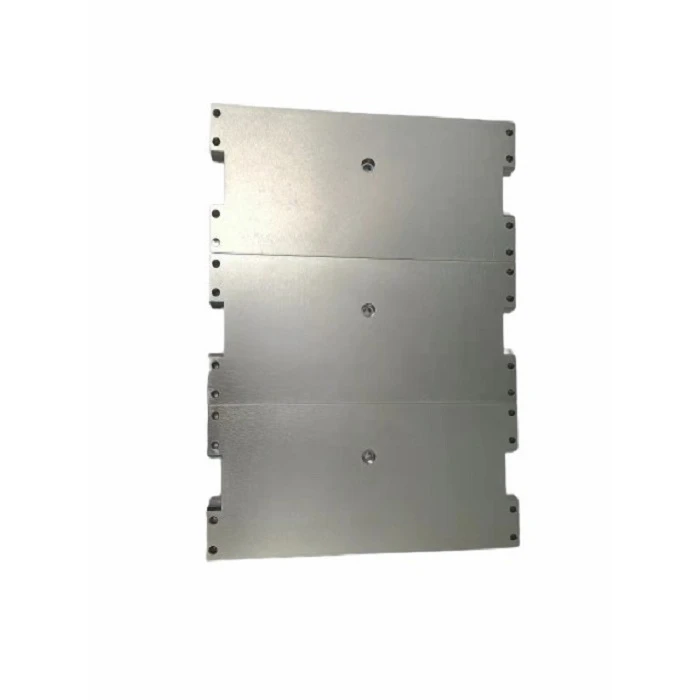
Another aspect is corrosion protection. Surface pretreatment can create a barrier that helps prevent corrosion. For instance, in the case of Aluminum Alloys Surface Finishing, aluminum alloys are prone to oxidation. Through processes like chromating or anodizing during surface pretreatment, a protective oxide layer is formed on the aluminum surface. This layer acts as a shield, preventing oxygen and moisture from reaching the underlying metal and thus reducing the risk of corrosion. A well - pretreated aluminum alloy surface will have better long - term performance, especially in harsh environments.
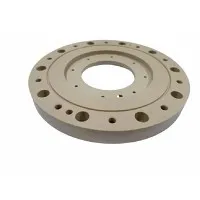
Surface pretreatment also plays a vital role in improving the appearance of the final product. A smooth and clean surface achieved through pretreatment allows for a more uniform and high - quality finish. When it comes to Metal Parts Surface Finishing, whether it's for automotive parts, machinery components, or consumer goods, the appearance matters. A rough or uneven surface due to contaminants or improper surface condition will result in a patchy or sub - standard finish. By pretreating the surface, we can eliminate these issues, ensuring that the final product looks great and meets the aesthetic requirements of the customers.
In addition, it can enhance the mechanical properties of the treated surface. Some pretreatment processes can modify the surface structure of the material. For example, shot peening, which is a type of surface pretreatment, can introduce compressive stresses on the surface of a metal part. These compressive stresses can improve the fatigue resistance of the part, making it more durable under cyclic loading conditions. This is particularly important in industries such as aerospace and automotive, where components are subjected to high - stress conditions.
Cost - effectiveness is yet another advantage of surface pretreatment. Although it adds an extra step to the surface treatment process, it actually saves money in the long run. A poorly pretreated surface will likely lead to premature failure of the coating or finish. This means more frequent re - treatments, which cost both time and money. By investing in proper surface pretreatment, we can ensure that the coating lasts longer, reducing the need for frequent repairs or replacements.

From an environmental perspective, surface pretreatment can also be beneficial. Some modern pretreatment methods use more environmentally friendly chemicals and processes. For example, water - based cleaning solutions are increasingly being used instead of solvent - based ones. These water - based solutions are less harmful to the environment and also reduce the risk of air pollution.
Now, let's talk about how we, as a surface treatment supplier, approach surface pretreatment. We understand that every material and every application is unique. That's why we offer customized surface pretreatment solutions. Our team of experts will first assess the material, its condition, and the intended surface treatment. Based on this assessment, we'll select the most appropriate pretreatment methods.
We use state - of - the - art equipment and high - quality chemicals to ensure the best results. Our processes are carefully monitored to maintain strict quality control. Whether it's a small batch of custom - made parts or a large - scale production run, we can handle it all.
If you're in need of surface treatment services and are looking for a reliable supplier, we'd love to hear from you. Surface pretreatment is the key to achieving high - quality, long - lasting surface finishes, and we have the expertise and resources to make it happen. Whether you're dealing with stainless steel, aluminum alloys, or other metal parts, we can provide the right solutions for your specific needs. Reach out to us to discuss your project and let's work together to achieve the best surface treatment results.
References
- "Surface Treatment Handbook" - A comprehensive guide on surface treatment processes and their importance.
- "Corrosion Science and Engineering" - A research - based resource on corrosion prevention through surface treatment.
- Industry reports on the latest trends in surface pretreatment and its impact on product quality.