Hey there! As a supplier of bending sheet metal AL5052, I've been getting a lot of questions lately about how bending affects the color of AL5052 sheet metal. So, I thought I'd take some time to dive into this topic and share what I've learned.
First off, let's talk a bit about AL5052. It's a popular aluminum alloy known for its good corrosion resistance, medium strength, and excellent formability. That's why it's widely used in various industries, from automotive to aerospace, and even in some consumer products.
When it comes to bending AL5052 sheet metal, the process itself can potentially have an impact on its color. But to understand why, we need to look at what's going on at the microscopic level.
The Science Behind Bending and Color Change
Bending AL5052 involves applying force to the sheet metal to reshape it. During this process, the metal undergoes plastic deformation. This means that the atoms in the metal are being rearranged, and the internal structure of the metal is changing.

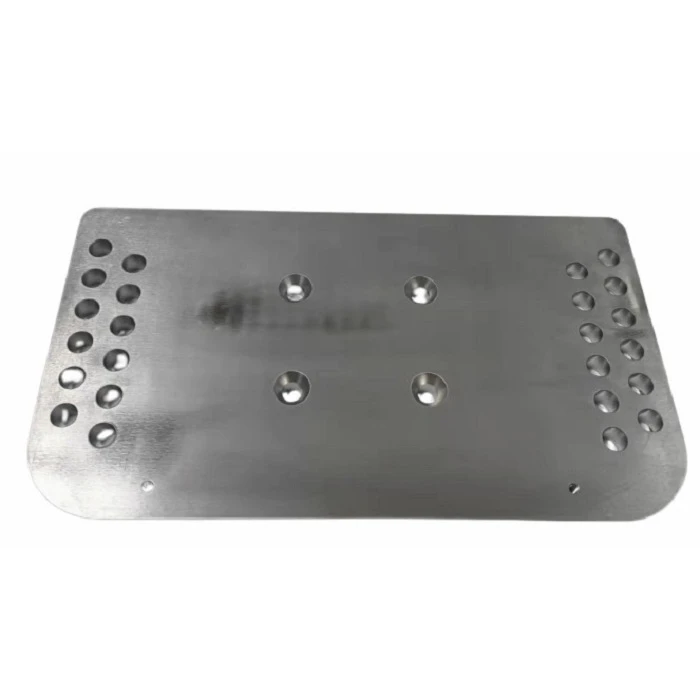
One of the main factors that can cause a color change is the formation of surface defects. When you bend the sheet metal, especially if the bending radius is too small or the bending force is too high, it can create micro - cracks and scratches on the surface. These surface irregularities can affect how light interacts with the metal.
Normally, a smooth surface of AL5052 reflects light in a more uniform way, giving it a consistent color appearance. But when there are surface defects, the light gets scattered in different directions. This can make the metal look duller or even change its color slightly.
Another aspect is the oxidation process. AL5052 naturally forms a thin oxide layer on its surface, which helps protect it from corrosion. However, when the metal is bent, the oxide layer can be disrupted. This exposes fresh metal to the air, and oxidation can occur more rapidly in these areas. Oxidation of aluminum usually results in a whitish - grayish color. So, you might notice some discoloration in the bent areas, especially if the metal is exposed to a humid environment.
Factors Affecting the Color Change
- Bending Radius: As I mentioned earlier, a smaller bending radius means more stress on the metal. This can lead to more severe surface damage and a more noticeable color change. For example, if you're bending the AL5052 sheet with a very tight radius, you're more likely to see significant discoloration compared to a gentle bend with a larger radius.
- Bending Speed: The speed at which you bend the sheet metal also matters. A high - speed bending process can generate more heat and cause more rapid deformation. This can increase the likelihood of surface defects and oxidation, resulting in a more pronounced color change.
- Surface Finish: The initial surface finish of the AL5052 sheet plays a role too. If the sheet has a polished finish, any color change will be more noticeable because the smooth surface makes it easier to spot differences in appearance. On the other hand, a sheet with a matte finish might hide some of the color changes better.
How to Minimize Color Change
If you're concerned about the color change of AL5052 sheet metal during bending, there are a few things you can do.
- Proper Bending Techniques: Use the right bending tools and techniques. Make sure to calculate the appropriate bending radius based on the thickness of the sheet metal. This can help reduce the stress on the metal and minimize surface damage.
- Lubrication: Applying a lubricant during the bending process can reduce friction and heat generation. This can prevent excessive surface damage and slow down the oxidation process.
- Post - Bending Treatment: After bending, you can apply a protective coating to the sheet metal. This can help prevent further oxidation and restore the appearance of the metal.
Applications and Considerations
In different applications, the color change of AL5052 sheet metal can have different levels of importance.
In some industrial applications, where the appearance of the metal is not a critical factor, a slight color change might not be a big deal. For example, in the construction of machinery frames or structural components, functionality is usually the top priority.
However, in applications where aesthetics matter, such as in the production of consumer electronics or architectural elements, the color change can be a significant issue. In these cases, it's crucial to take the necessary steps to minimize color change during the bending process.
Our Services as a Supplier
As a supplier of bending sheet metal AL5052, we understand the importance of providing high - quality products that meet our customers' requirements. We have a team of experienced technicians who are well - versed in the bending process. We use advanced bending equipment and follow strict quality control procedures to ensure that the color change of our AL5052 sheet metal is kept to a minimum.
We also offer a variety of surface finishing options to enhance the appearance and durability of the sheet metal. Whether you need a polished finish, a powder - coated finish, or something else, we can work with you to find the best solution.
If you're interested in learning more about Aluminum Sheet Metal Fabrication, Brass and Copper Sheet Metal Fabrication, or Steel Sheet Metal Fabrication, we have a wealth of knowledge and experience in these areas as well.
Conclusion
In conclusion, bending can have an impact on the color of AL5052 sheet metal due to surface defects and oxidation. However, by understanding the factors that affect color change and taking the appropriate measures, you can minimize this issue. As a supplier, we're committed to providing you with the best - quality bending sheet metal AL5052 products. If you have any questions or are interested in purchasing our products, feel free to reach out to us for a detailed discussion. We're here to help you with all your sheet metal needs.
References
- ASM Handbook Committee. (2000). ASM Handbook Volume 2: Properties and Selection: Nonferrous Alloys and Special - Purpose Materials. ASM International.
- Dieter, G. E. (1986). Mechanical Metallurgy. McGraw - Hill.