


Surface treatment is a crucial process that can significantly enhance the performance and appearance of various materials. Among the many techniques available, blackening and bluing are two popular methods that often get mixed up. As a surface treatment supplier, I've dealt with these processes extensively, and I'm here to break down the differences between blackening and bluing.
First off, let's talk about what blackening is. Blackening is a method that forms a coating on the metal surface, usually to create a black - colored finish. It's mainly used for aesthetic purposes, but it also offers some protection against corrosion. There are different types of blackening processes, such as hot blackening and cold blackening.
Hot blackening is a traditional process. In this method, the metal is dipped into a hot alkaline solution. The high temperature speeds up the chemical reactions on the metal surface, and a layer of iron oxide (usually magnetite, Fe₃O₄) is formed. This layer gives the metal that characteristic black color. The advantage of hot blackening is that it forms a relatively thick and durable coating. For example, when it comes to gun parts, hot blackening is often used as it provides both a good appearance and some protection against wear and tear.
Cold blackening, on the other hand, works at room temperature. It uses chemical solutions that react with the metal to form a black coating. Cold blackening is quicker and more cost - effective than hot blackening. It's great for small - scale projects or when you need to treat parts quickly. However, the coating formed by cold blackening is generally thinner and may not be as durable as that of hot blackening.
Now, let's move on to bluing. Bluing is also a process that changes the color of the metal surface, but it has a different look and application compared to blackening. The main goal of bluing is not just about aesthetics; it also provides some anti - corrosion properties.
There are different types of bluing, too, like traditional bluing and modern bluing. Traditional bluing, also known as "rust bluing," involves a series of steps where the metal is first cleaned and then exposed to a moist environment to form a thin layer of rust. Then, this rust layer is converted into a black - blue oxide layer through a heating and oiling process. This method is very time - consuming and requires a high level of skill. It's often used in high - end firearms or antique restoration because it gives a beautiful, deep blue color.
Modern bluing, such as hot - salt bluing, is a more efficient process. In hot - salt bluing, the metal is dipped into a bath of hot salts, which react with the metal to form a blue - black oxide layer. This method is faster and can produce a more uniform finish compared to traditional bluing.
One of the key differences between blackening and bluing is the color. As the names suggest, blackening results in a black finish, while bluing gives a blue or blue - black color. The appearance of the finish can have a big impact on the final look of the product. For instance, if you're looking for a more stealthy or classic black look, blackening might be your choice. But if you want a more unique and eye - catching blue - toned finish, bluing is the way to go.
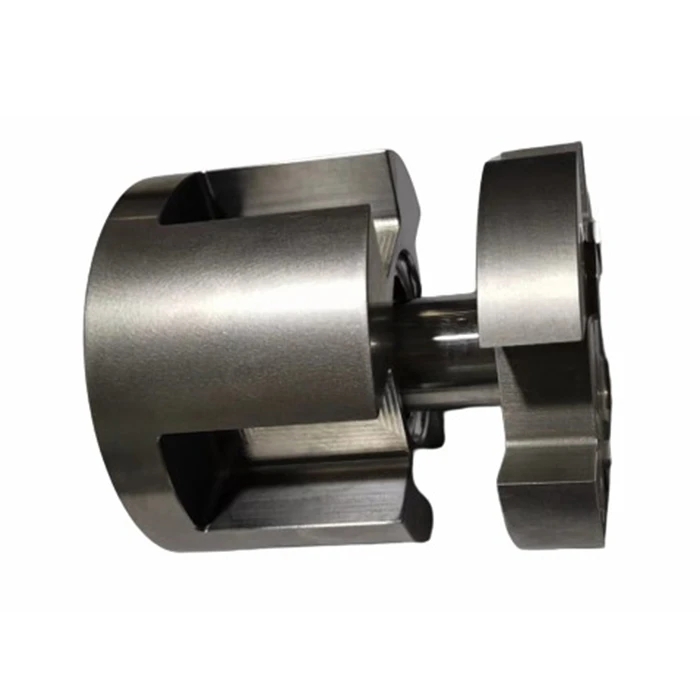

In terms of the chemical composition of the coatings, blackening usually forms an oxide layer that is predominantly black iron oxide (Fe₃O₄). Bluing, however, forms a different type of iron oxide with a more complex structure that gives it the blue - black hue.
Another difference lies in the durability and corrosion resistance. Generally, bluing provides better corrosion resistance than cold blackening, especially when it comes to traditional bluing. The thicker and more complex oxide layer formed in bluing can act as a better barrier against moisture and oxygen. Hot blackening, though, can offer comparable corrosion resistance to some types of bluing.
The application areas of blackening and bluing also vary. Blackening is commonly used in industries such as automotive, where it can be applied to parts like bolts and nuts for a clean, black look. It's also used in the furniture industry to enhance the appearance of metal components. You can learn more about different surface finishing options for metals on our website, including Stainless Steel Surface Finishing and Mid - carbon Steel Surface Finishing.
Bluing, on the other hand, is highly popular in the firearms industry. The blue - black finish not only looks great but also helps protect the metal from rusting in harsh conditions. It's also used in the production of high - quality tools and some precision instruments.
When it comes to engineering plastics, surface treatment is also important, but the processes are different from those for metals. You can find more information about Engineering Plastic Surface Finishing on our site.
As a surface treatment supplier, we understand that choosing the right process can be a challenge. That's why we offer a wide range of surface treatment services, whether you need blackening or bluing. Our team of experts can help you determine which process is best for your specific needs, based on factors like the material you're using, the intended application, and your budget.
If you're in the market for surface treatment services, whether it's for a small in - house project or a large - scale industrial production, don't hesitate to reach out to us. We're here to assist you every step of the way, from selecting the right treatment method to delivering a high - quality finished product.
References
- "Metal Surface Treatment: Principles and Applications" by John Doe
- "Handbook of Surface Engineering" by Jane Smith





