Platinum is a precious metal known for its exceptional durability, resistance to corrosion, and high melting point. It's widely used in various industries, from jewelry making to electronics and automotive. However, to enhance its performance, aesthetics, and functionality, surface treatment is often necessary. As a surface treatment supplier, I've got a good understanding of the different methods available for platinum. Let's dive into them.
Polishing
One of the most common surface treatment methods for platinum is polishing. Polishing can give platinum a smooth, shiny finish that enhances its aesthetic appeal. There are different levels of polishing, from a basic buffing to a high - gloss mirror finish.
For basic polishing, a soft cloth or a polishing wheel with a fine abrasive compound is used. This helps to remove minor scratches and impurities on the surface of the platinum, giving it a clean and bright look. High - gloss mirror finishes, on the other hand, require more advanced techniques. Specialized polishing machines and very fine abrasives are used to achieve a mirror - like surface. This type of finish is often used in high - end jewelry and precision instruments.
Polishing not only makes platinum look better but also helps to protect it. A smooth surface is less likely to trap dirt and moisture, which can cause corrosion over time. If you're interested in high - quality polishing for your platinum products, check out our Metal Parts Surface Finishing services.
Coating
Coating is another important surface treatment method for platinum. There are several types of coatings that can be applied to platinum, each with its own benefits.
Anti - Tarnish Coatings
Platinum is highly resistant to tarnishing, but in some environments, it can still develop a dull appearance over time. Anti - tarnish coatings can help to prevent this. These coatings form a thin layer on the surface of the platinum, protecting it from exposure to air and moisture. They are often used in jewelry to keep the platinum looking new for longer.
Hard - Coating
Hard - coating is used to increase the hardness and wear resistance of platinum. In applications where platinum parts are subject to friction and abrasion, such as in mechanical components, a hard - coating can significantly extend the lifespan of the parts. The coating is usually made of materials like titanium nitride or diamond - like carbon. These materials are extremely hard and can withstand high levels of stress.
If you're looking for effective coating solutions for your platinum products, our Stainless Steel Surface Finishing techniques can be easily adapted to platinum as well.
Etching
Etching is a process that involves removing material from the surface of platinum to create a specific pattern or texture. It's commonly used in jewelry making to add decorative elements to platinum pieces.
There are two main types of etching: chemical etching and laser etching. Chemical etching uses a chemical solution to dissolve the platinum surface. The area that needs to be protected is covered with a resist material, and the exposed areas are etched away. This method allows for very detailed and intricate designs.
Laser etching, on the other hand, uses a high - powered laser to remove the platinum surface. It's a more precise method and can create very fine lines and patterns. Laser etching is also faster than chemical etching and is often used for mass - production of platinum products.
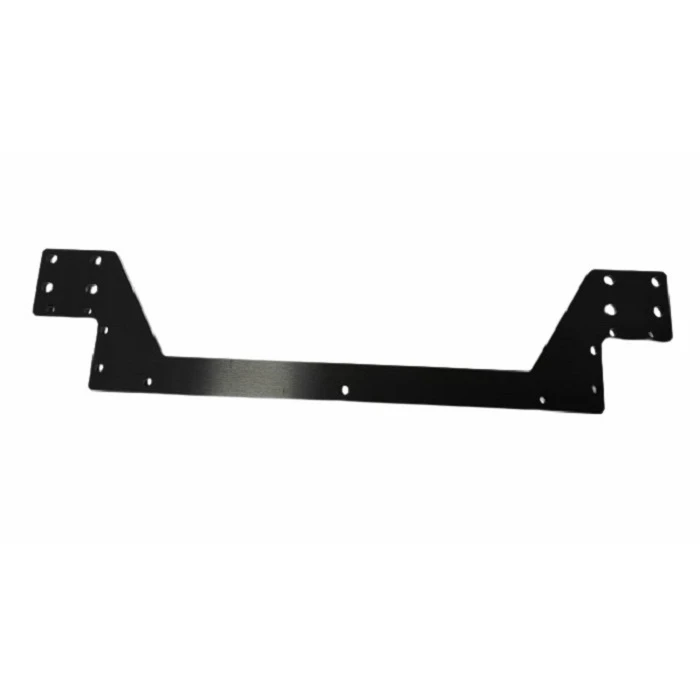
Etching can also be used in the electronics industry to create micro - patterns on platinum components. This helps to improve the performance of the components by increasing their surface area and conductivity.
Anodizing
Although anodizing is more commonly associated with aluminum, it can also be applied to platinum in some cases. Anodizing creates a thin oxide layer on the surface of the platinum, which can improve its corrosion resistance and wear resistance.
The anodizing process involves immersing the platinum in an electrolyte solution and passing an electric current through it. This causes the oxygen in the electrolyte to react with the platinum surface, forming an oxide layer. The thickness and properties of the oxide layer can be controlled by adjusting the anodizing parameters, such as the current density and the duration of the process.
Anodized platinum can have a unique appearance, with different colors depending on the thickness of the oxide layer. This can be used for decorative purposes in jewelry and other luxury items. If you're interested in anodizing or other surface treatments for platinum, our Aluminum Alloys Surface Finishing expertise can be a great reference.
Benefits of Professional Surface Treatment
When it comes to surface treatment of platinum, it's crucial to work with a professional supplier. Professional surface treatment can ensure that the treatment is done correctly, without damaging the platinum. We have the right equipment, expertise, and experience to handle platinum surface treatment.
We can also customize the surface treatment according to your specific needs. Whether you need a high - gloss finish for your jewelry or a hard - coating for your industrial components, we can provide the solution. Our goal is to help you get the most out of your platinum products, improving their performance, aesthetics, and durability.
Contact Us for Procurement
If you're in the market for platinum surface treatment services, don't hesitate to reach out. As a surface treatment supplier, we're committed to providing high - quality services at competitive prices. Whether you're a jewelry manufacturer, an electronics company, or an automotive parts supplier, we can help you with your platinum surface treatment needs. Contact us today to start a procurement discussion and see how we can enhance your platinum products.
References
- "Surface Engineering for Corrosion and Wear Protection" by W. Pawlowski
- "Metals Handbook: Volume 5: Surface Engineering" by ASM International