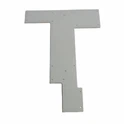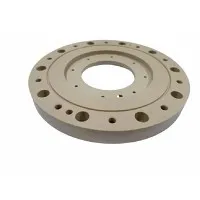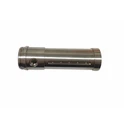

In the dynamic landscape of the medical device industry, precision parts play a pivotal role in ensuring the safety, efficacy, and reliability of medical equipment. As a dedicated Precision Parts Processing supplier, I have witnessed firsthand the stringent requirements that these parts must meet to adhere to the high - standards of the medical field. This blog post will delve into the key requirements for precision parts in the medical device industry, exploring aspects such as material selection, dimensional accuracy, surface finish, and regulatory compliance.
Material Selection
The choice of materials for precision parts in the medical device industry is of utmost importance. Medical devices often come into direct contact with the human body, either externally or internally. Therefore, materials must be biocompatible, meaning they do not cause adverse reactions when in contact with biological tissues. For example, titanium is a popular choice for orthopedic implants due to its excellent biocompatibility, high strength - to - weight ratio, and corrosion resistance. Stainless steel is also widely used in medical instruments because of its durability and resistance to rust.
In addition to biocompatibility, materials must also possess mechanical properties suitable for the intended application. For instance, parts used in surgical instruments need to be strong and rigid enough to withstand the forces exerted during surgical procedures. On the other hand, parts in wearable medical devices may require materials that are lightweight and flexible. Our company carefully selects materials based on the specific requirements of each project, ensuring that the precision parts we produce meet the highest standards of quality and performance.
Dimensional Accuracy
Dimensional accuracy is a critical requirement in the medical device industry. Even the slightest deviation from the specified dimensions can have a significant impact on the functionality of a medical device. For example, in a syringe, the diameter of the barrel and the fit of the plunger must be precisely controlled to ensure accurate dosing of medications. In cardiac stents, the dimensions of the struts and the overall diameter of the stent are crucial for proper placement and function within the blood vessels.
To achieve high - level dimensional accuracy, we utilize advanced manufacturing techniques such as Precision Prototyping Production. This process allows us to create prototypes with extremely tight tolerances, enabling us to validate the design and make any necessary adjustments before mass production. Our state - of - the - art CNC machines are programmed to achieve micron - level precision, ensuring that each part meets the exact specifications provided by our customers.
Surface Finish
The surface finish of precision parts in the medical device industry is not just about aesthetics; it has a direct impact on the performance and safety of the device. A smooth surface finish can reduce the risk of bacterial adhesion, which is crucial for medical devices that are in contact with the human body. For example, in urinary catheters, a smooth surface helps prevent the formation of biofilms, which can lead to urinary tract infections.
In addition, the surface finish can affect the functionality of the device. For instance, parts in medical pumps may require a specific surface roughness to ensure proper fluid flow. Our company uses advanced polishing and finishing techniques to achieve the desired surface finish for each part. Whether it's a mirror - like finish for a surgical instrument or a textured surface for better grip, we have the expertise to meet the diverse surface finish requirements of the medical device industry.
Regulatory Compliance
The medical device industry is one of the most highly regulated industries in the world. Precision parts used in medical devices must comply with a variety of regulations and standards, such as ISO 13485 (Quality Management Systems for Medical Devices) and FDA (Food and Drug Administration) regulations in the United States. These regulations cover aspects such as design, manufacturing, testing, and labeling of medical devices.
Our company is committed to ensuring that all our precision parts meet the relevant regulatory requirements. We have a dedicated quality control team that monitors every step of the manufacturing process, from material sourcing to final inspection. We also conduct regular audits and reviews to ensure that our manufacturing processes are in line with the latest regulatory standards. By adhering to these regulations, we provide our customers with the confidence that the precision parts they receive are safe, reliable, and compliant with all applicable laws.
Complex Geometries
Medical devices often require precision parts with complex geometries. For example, dental implants may have intricate shapes to fit precisely into the jawbone, and endoscopic instruments may have curved and hollow structures to navigate through the human body. Manufacturing parts with complex geometries requires advanced machining techniques and expertise.


We offer CNC Depth Hole Drilling and Swiss Lathe Machining services to handle complex part geometries. CNC depth hole drilling allows us to create deep, straight holes with high precision, which is essential for parts such as medical needles. Swiss lathe machining is ideal for producing small, complex parts with high accuracy and repeatability. Our experienced machinists are skilled in programming and operating these advanced machines to produce parts that meet the most challenging design requirements.
Cleanliness and Sterility
Cleanliness and sterility are non - negotiable requirements for precision parts in the medical device industry. Parts must be free from contaminants such as dust, oil, and debris, as these can cause infections or other complications when the device is used. In addition, many medical devices need to be sterile before use.
We have a cleanroom environment in our manufacturing facility to ensure the cleanliness of our precision parts. The cleanroom is equipped with advanced air filtration systems and strict access controls to minimize the introduction of contaminants. After manufacturing, parts are thoroughly cleaned and undergo a rigorous sterilization process, depending on the specific requirements of the device. This ensures that the parts we deliver are ready for use in medical applications.
Traceability
Traceability is an important requirement in the medical device industry. It allows manufacturers to track the origin of materials, the manufacturing process, and the distribution of parts. In case of a quality issue or a recall, traceability enables quick identification and resolution of the problem.
Our company maintains a comprehensive traceability system for all our precision parts. We record detailed information about the materials used, the manufacturing processes, and the inspection results for each part. This information is stored in a secure database and can be easily accessed when needed. By providing traceability, we offer our customers peace of mind and ensure that they can meet the regulatory requirements related to product tracking.
Conclusion
The requirements for precision parts in the medical device industry are multifaceted and demanding. From material selection to regulatory compliance, every aspect of the manufacturing process must be carefully controlled to ensure the safety and effectiveness of medical devices. As a Precision Parts Processing supplier, we are dedicated to meeting these requirements with our advanced manufacturing techniques, experienced team, and strict quality control measures.
If you are in the medical device industry and are looking for a reliable partner for precision parts processing, we would be delighted to discuss your project. Our expertise and commitment to quality make us the ideal choice for your precision parts needs. Contact us today to start the procurement negotiation process and take your medical device products to the next level.
References
- ISO 13485:2016, Quality management systems — Requirements for regulatory purposes for medical devices.
- U.S. Food and Drug Administration (FDA) regulations on medical device manufacturing and quality control.
- Textbooks on materials science and engineering for medical applications.