Hey there! As a supplier in the field of CNC Plastic Machining, I often get asked about the noise - reduction properties of plastics after CNC machining. So, I thought I'd dive into this topic and share some insights with you all.


First off, let's understand what CNC machining is all about. CNC, or Computer Numerical Control, is a manufacturing process where pre - programmed computer software dictates the movement of factory tools and machinery. When it comes to plastic, CNC machining can create precise, high - quality parts with a variety of geometries.
Now, let's talk about noise reduction. In many applications, especially those in industrial settings, automotive, or even consumer electronics, reducing noise is a big deal. No one likes a noisy machine or product, right? Plastics can play a huge role in this.
One of the main factors that influence the noise - reduction properties of plastics post - CNC machining is the material itself. Different types of plastics have different inherent acoustic properties.
PMMA (Polymethyl Methacrylate)
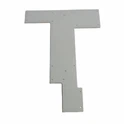
PMMA is a popular plastic used in CNC machining. It's known for its optical clarity, but it also has some interesting noise - reduction potential. After CNC machining, PMMA parts can help dampen vibrations, which in turn reduces noise. The molecular structure of PMMA allows it to absorb some of the energy from vibrations, preventing them from being transferred as sound. For instance, in a machinery housing made of CNC machined PMMA, the internal vibrations caused by the moving parts are absorbed by the plastic, leading to a quieter operation. You can learn more about CNC Machining PMMA.
PPSU (Polyphenylsulfone)
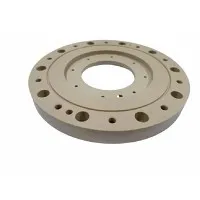
PPSU is another great candidate for noise reduction. This high - performance plastic has excellent mechanical properties and is also very good at absorbing sound. When CNC machined, PPSU parts can be used in applications where noise control is critical, such as in aviation or high - end medical equipment. The reason behind its good noise - reduction ability is its relatively high density and the way its molecules interact with sound waves. It can scatter and absorb the sound energy, making the environment quieter. Check out CNC Machining PPSU if you want to know more.
Nylon
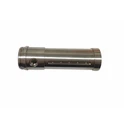
Nylon is a well - known engineering plastic that also offers good noise - reduction properties. It has a certain degree of flexibility which helps in dampening vibrations. In a gear system, for example, if the gears are made of CNC machined nylon, they will operate more quietly compared to metal gears. The nylon can absorb the impact energy between the teeth of the gears, reducing the noise produced during the meshing process. If you're interested in the details of CNC Machining Nylon, it's worth a click.
But it's not just about the material. The way the plastic is machined also affects its noise - reduction abilities. During CNC machining, the surface finish of the plastic part is crucial. A smooth surface finish can reduce the amount of friction and vibration, which are major sources of noise. If the surface is rough, it can cause more noise when the part is in contact with other components. Tools and cutting parameters used in CNC machining also play a role. Using the right tools and proper cutting speeds and feeds can ensure a high - quality surface finish, enhancing the noise - reduction properties of the plastic part.
The design of the CNC - machined plastic part is equally important. A well - designed part can be structured in a way that it better absorbs and dissipates sound energy. For example, adding ribs or cavities to the part can create internal structures that help in reducing noise. These structures can disrupt the path of sound waves, causing them to bounce around and lose energy.
Another aspect to consider is the application environment. Different environments have different noise requirements. In a home appliance, the noise reduction needs are much different from those in an industrial factory. Understanding the application and the noise levels that need to be achieved is essential when choosing the right plastic and the appropriate CNC machining processes.
In some cases, we can also combine different plastics to get the best noise - reduction results. By laminating or co - molding different plastic materials, we can take advantage of the unique acoustic properties of each. This way, we can create a composite material that offers superior noise - reduction compared to a single plastic material.
So, if you're in the market for CNC - machined plastic parts with good noise - reduction properties, we're here to help. Whether you need PMMA, PPSU, nylon, or any other plastic, we have the expertise and equipment to deliver high - quality parts tailored to your specific needs. Let's talk about your project and see how we can provide the best solutions for noise reduction. Reach out to us, and let's start this journey together to make your products quieter and more efficient.
References
- "Plastic Materials: Properties and Applications" by Christopher Hall
- "CNC Machining Handbook" by Mark J. Sherlock