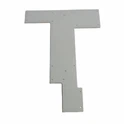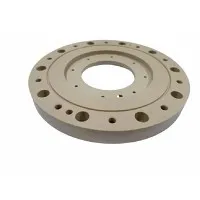

Hey there! As a supplier in the Ceramic Material Machining game, I've seen firsthand how machining can totally change the mechanical properties of ceramics. Let's dig into this topic and see what's what.
First off, let's understand a bit about ceramics. Ceramics are pretty amazing materials. They've got high hardness, great wear resistance, and can handle high temperatures like a champ. But to get them into the shapes and sizes we need for different applications, we've got to machine them. And this machining process can have some real impacts on their mechanical properties.
One of the big things machining does is change the surface integrity of ceramics. When we cut, grind, or polish ceramics, we're basically removing material. This can create a whole bunch of surface defects like microcracks, pits, and roughness. These surface defects can be a real pain because they can act as stress concentrators. When the ceramic is under stress, these areas are more likely to crack and fail. For example, in a ceramic component used in a high - pressure environment, those microcracks can quickly turn into big cracks, leading to the failure of the whole part.

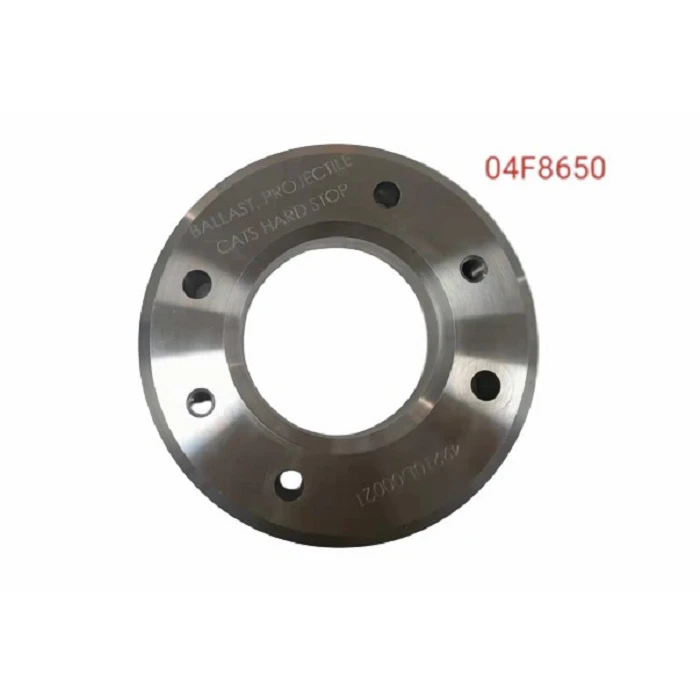
But it's not all bad news. Machining can also improve some properties in certain cases. For instance, when we do precision grinding, we can get a very smooth surface finish. A smooth surface can reduce friction and wear when the ceramic is in contact with other materials. This is super important in applications like bearings or seals, where low friction is key to long - term performance.
Another aspect is the effect on the internal structure of ceramics. Machining can introduce residual stresses in the material. Residual stresses can be either compressive or tensile. Compressive residual stresses are actually beneficial because they can help to resist crack propagation. When a crack tries to grow, the compressive stress acts against it, making it harder for the crack to get bigger. On the other hand, tensile residual stresses are bad news. They can make the ceramic more prone to cracking, especially when combined with external loads.
Let's talk about some specific machining processes and their impacts. Grinding is one of the most common processes for ceramics. During grinding, the abrasive grains on the grinding wheel remove material by cutting and plowing. This can generate a lot of heat. High temperatures during grinding can cause thermal stresses in the ceramic, which can lead to cracking. However, if we use proper cooling and grinding parameters, we can minimize these thermal effects.
Milling is another process. It's useful for creating complex shapes in ceramics. But similar to grinding, milling can also introduce surface defects and residual stresses. The cutting forces during milling can cause the ceramic to deform slightly, and if the forces are too high, it can lead to chipping or cracking at the edges of the machined part.
Now, let's touch on some of the applications where the mechanical properties of machined ceramics matter. In the aerospace industry, ceramics are used for components like turbine blades and heat shields. The high - temperature resistance and low thermal expansion of ceramics are crucial here. For more information on Low Thermal Expansion Machining, you can check out that link. These components need to be machined to very high precision to ensure they work properly in the extreme conditions of aerospace applications.
In the electronics industry, ceramics are used for substrates and insulators. The electrical properties of ceramics are closely related to their mechanical properties. A well - machined ceramic substrate can provide better electrical insulation and heat dissipation. And if you're interested in the machining of ceramics for high - temperature applications, you can click on High Temperature Resistance Machining.
As a Ceramic Material Machining supplier, we've got the know - how and the technology to handle all these challenges. We use advanced machining techniques and quality control measures to ensure that the ceramics we machine have the best possible mechanical properties for your specific applications. Whether you need a ceramic part with high wear resistance, low friction, or excellent high - temperature performance, we can make it happen.
If you're in the market for machined ceramic components, don't hesitate to reach out. We're here to help you find the perfect solution for your needs. You can learn more about our Ceramic Material Machining services by clicking on that link. We can work with you to understand your requirements, select the right ceramic material, and use the most suitable machining processes to get you the best results.
In conclusion, machining has both positive and negative influences on the mechanical properties of ceramics. But with the right approach and expertise, we can minimize the negative effects and enhance the positive ones. So, if you're looking for high - quality machined ceramic parts, give us a shout and let's start a conversation about your project.
References
- "Ceramics: Structure, Properties, and Processing" by D. W. Richerson
- "Machining of Advanced Ceramics" by I. Inasaki