Hey there! As a supplier in the Ceramic Material Machining biz, I've seen firsthand the ins and outs of working with different types of ceramics. Today, I wanna dive into the differences in machining between single - crystal and polycrystalline ceramics. It's a topic that's super important for anyone in the industry, whether you're a manufacturer looking for the right material or a hobbyist interested in the tech.
Let's start with the basics. Single - crystal ceramics are, well, just one big crystal. Think of it like a perfectly organized army of atoms all lined up in a regular pattern. On the flip side, polycrystalline ceramics are made up of lots of tiny crystals, or grains, stuck together. It's like a bunch of small groups of soldiers with their own formations, all jumbled up.
1. Hardness and Brittleness
One of the most obvious differences is in their hardness and brittleness. Single - crystal ceramics are usually harder because of their uniform atomic structure. The atoms are tightly packed in a specific pattern, making it tough for external forces to break them apart. For example, single - crystal sapphire is used in high - end watch faces because it can resist scratches like a champ.
However, this hardness comes with a downside. Single - crystal ceramics are also more brittle. When you try to machine them, they're more likely to crack or chip. It's like trying to carve a block of ice with a dull knife. One wrong move, and you get a big crack.
Polycrystalline ceramics, on the other hand, are a bit more forgiving. The boundaries between the grains can absorb some of the stress during machining. So, while they might not be as hard as single - crystal ceramics, they're less likely to shatter. It's like a group of flexible soldiers that can bend a bit without breaking.
2. Machining Forces
The forces required for machining these two types of ceramics are also different. When machining single - crystal ceramics, you need to be really careful with the cutting forces. Since they're brittle, too much force can cause catastrophic failure. You often have to use lower feed rates and cutting speeds to avoid cracking. It's a slow and steady process, kind of like walking on thin ice.
With polycrystalline ceramics, you can usually apply higher cutting forces. The grain boundaries act as a buffer, allowing you to remove material at a faster pace. This means you can get the job done quicker, which is great for mass production. It's like mowing a lawn with a powerful lawnmower instead of a pair of scissors.
3. Surface Finish
The surface finish you can achieve is another key difference. Single - crystal ceramics can have a super smooth surface finish. Because of their uniform structure, you can get a mirror - like finish if you machine them correctly. This is why they're used in applications where a high - quality surface is crucial, like optical components.
Polycrystalline ceramics, however, might have a slightly rougher surface finish. The grain boundaries can cause small irregularities on the surface. But don't get me wrong, you can still get a good surface finish with proper machining techniques. It just might not be as perfect as that of single - crystal ceramics.
4. Tool Wear
Tool wear is a big deal in machining, and it's different for single - crystal and polycrystalline ceramics. When machining single - crystal ceramics, the high hardness can cause rapid tool wear. The sharp edges of the cutting tool can get dull quickly as they try to cut through the tough material. You might need to change your tools more frequently, which can add to the cost.
Polycrystalline ceramics are generally easier on the tools. The grain boundaries can actually help reduce tool wear in some cases. The cutting forces are more evenly distributed, so the tool doesn't get as much stress in one spot. This means your tools can last longer, saving you money in the long run.
5. Applications and Machining Considerations
Now, let's talk about where these two types of ceramics are used and how that affects machining. Single - crystal ceramics are often used in applications that require high precision and excellent optical or electrical properties. For example, in semiconductor manufacturing, single - crystal silicon is used because of its unique electrical characteristics. When machining for these applications, you need to pay extra attention to dimensional accuracy and surface quality. You can find more about high - precision machining in the context of high - temperature resistance at High Temperature Resistance Machining.
Polycrystalline ceramics, on the other hand, are used in a wider range of applications. They're great for things like cutting tools, wear - resistant parts, and even some structural components. Since they're more versatile, the machining requirements can vary. You might need to focus on different aspects depending on the specific application. For low - thermal - expansion applications, check out Low Thermal Expansion Machining.
6. Our Role as a Ceramic Material Machining Supplier
As a Ceramic Material Machining supplier, we have to be experts in dealing with both single - crystal and polycrystalline ceramics. We understand the unique challenges and opportunities that each type presents.
When a customer comes to us with a project, we first figure out which type of ceramic is the best fit. If they need high precision and a smooth surface finish, single - crystal ceramics might be the way to go. But if they're looking for something more cost - effective and less brittle, polycrystalline ceramics could be a better choice.
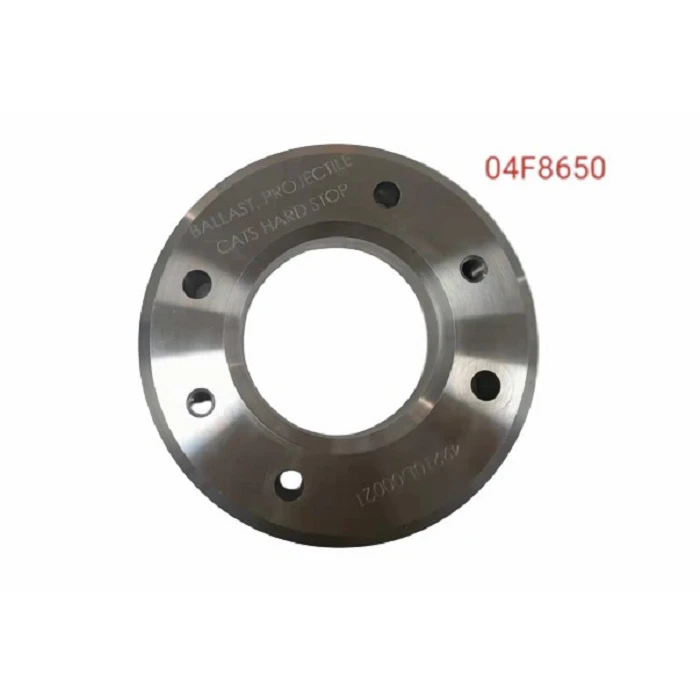

We also have the right equipment and techniques to handle both types of ceramics. Our team of experienced machinists knows how to adjust the cutting parameters to get the best results. Whether it's using a slower speed for single - crystal ceramics or a higher feed rate for polycrystalline ones, we've got it covered.
Conclusion
In conclusion, the differences in machining between single - crystal and polycrystalline ceramics are significant. From hardness and brittleness to tool wear and surface finish, each type has its own pros and cons. As a supplier, we're here to help you navigate these differences and find the best solution for your needs.
If you're in the market for ceramic machining services, whether it's for a small - scale project or a large - scale production run, don't hesitate to reach out. We're always happy to have a chat and see how we can help you with your ceramic material needs.
References
- "Ceramics: Structure, Properties, Processing, and Applications" by J. R. Hellmann
- "Machining of Advanced Ceramics" by P. K. Mishra