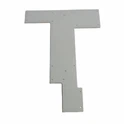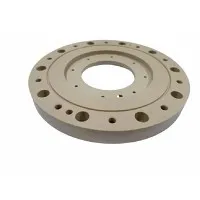

CNC (Computer Numerical Control) metal machining has emerged as a cornerstone technology in the electronics industry. As a leading CNC Metal Machining supplier, I have witnessed firsthand how this advanced manufacturing process has revolutionized the way electronic components are produced. In this blog, I will explore the diverse applications of CNC metal machining in the electronics industry and highlight its significance in meeting the ever - evolving demands of this dynamic sector.
Precision Component Manufacturing
One of the primary applications of CNC metal machining in the electronics industry is the production of precision components. Electronic devices, from smartphones to high - end computers, require components with extremely tight tolerances. CNC machines, with their high - precision control systems, can fabricate parts with accuracies up to a few micrometers.


For example, the casings of electronic devices often need to be precisely machined to ensure a perfect fit for internal components and a sleek exterior appearance. CNC milling and turning processes are commonly used to create these casings from various metals such as aluminum, stainless steel, and titanium. When it comes to CNC Machining Stainless Steel, its corrosion - resistant properties make it an ideal choice for electronic enclosures that need to withstand harsh environmental conditions.
Connectors are another crucial component in electronics. They need to have accurate dimensions and smooth surfaces to ensure reliable electrical connections. CNC machining can produce connectors with complex geometries, such as multi - pin connectors, with high repeatability. This precision manufacturing ensures that the connectors fit snugly into their respective sockets, minimizing signal loss and interference.
Heat Sink Production
Heat management is a critical aspect of electronic device performance. As electronic components become more powerful, they generate more heat, which can degrade performance and reduce the lifespan of the device. Heat sinks are used to dissipate this heat, and CNC metal machining plays a vital role in their production.
CNC machining can create heat sinks with intricate fin designs. These fins increase the surface area of the heat sink, allowing for more efficient heat transfer. Aluminum is a commonly used material for heat sinks due to its excellent thermal conductivity and lightweight properties. CNC milling can precisely shape the fins, ensuring optimal heat dissipation.
Moreover, for high - performance electronic applications, CNC Machining Titanium Alloy can be employed to produce heat sinks. Titanium alloys offer high strength - to - weight ratios and good corrosion resistance, making them suitable for aerospace and military electronics where weight and durability are of utmost importance.
Printed Circuit Board (PCB) Manufacturing
Although PCBs are typically associated with chemical etching processes, CNC metal machining also has its place in PCB manufacturing. CNC routers can be used to cut and shape the PCB substrate. This is especially useful for creating custom - sized PCBs or for making precise cutouts for components.
In addition, CNC machining can be used to produce the fixtures and tooling required for PCB assembly. These fixtures hold the PCB in place during the assembly process, ensuring accurate placement of components. By using CNC machining, the fixtures can be made with high precision, reducing the risk of misalignment during assembly and improving the overall quality of the PCB.
RF and Microwave Components
The electronics industry has seen a significant growth in the use of radio frequency (RF) and microwave technologies, especially in wireless communication systems. CNC metal machining is essential for manufacturing RF and microwave components.
Components such as waveguides, filters, and antennas require precise dimensions to operate effectively at high frequencies. CNC machining can produce these components with the necessary accuracy. For example, waveguides need to have smooth inner surfaces and precise cross - sectional dimensions to minimize signal loss. CNC milling can achieve the required surface finish and dimensional accuracy for waveguides.
Nickel - based alloys are often used in RF and microwave components due to their excellent electrical conductivity and high - temperature resistance. CNC Machining Nickel - based Alloys allows for the production of components that can withstand the demanding operating conditions of these high - frequency applications.
Customization and Prototyping
The electronics industry is constantly evolving, with new products and designs being introduced regularly. CNC metal machining offers the flexibility for customization and rapid prototyping.
Designers can quickly turn their concepts into physical prototypes using CNC machines. This allows for early testing and validation of the design, reducing the time and cost associated with product development. Whether it is a new smartphone design or a revolutionary IoT device, CNC machining can produce prototypes with the same level of precision as the final production parts.
Furthermore, for small - batch production or custom - made electronic products, CNC metal machining provides a cost - effective solution. It eliminates the need for expensive tooling and molds, making it suitable for niche products or products with unique requirements.
Quality and Consistency
As a CNC Metal Machining supplier, I understand the importance of quality and consistency in the electronics industry. CNC machines operate based on pre - programmed instructions, which ensures that each part produced is identical to the previous one. This consistency is crucial for mass production in the electronics industry, where components need to be interchangeable.
In addition, CNC machining offers excellent process control. Operators can monitor and adjust the machining parameters in real - time to ensure the quality of the parts. Advanced CNC machines are also equipped with sensors and feedback systems that can detect any deviations from the desired specifications and make automatic adjustments.
Conclusion
In conclusion, CNC metal machining has a wide range of applications in the electronics industry, from precision component manufacturing to heat sink production, PCB manufacturing, RF and microwave component fabrication, and customization. Its ability to produce high - precision parts with consistency and flexibility makes it an indispensable technology in this fast - paced industry.
If you are in the electronics industry and are looking for a reliable CNC Metal Machining supplier, I invite you to contact me for procurement and further discussions. I am committed to providing high - quality CNC machined parts that meet your specific requirements.
References
- Smith, J. (2018). Precision Manufacturing in the Electronics Industry. Journal of Electronic Manufacturing, 25(3), 123 - 135.
- Johnson, A. (2019). Heat Management Solutions for Electronic Devices. Thermal Engineering Review, 32(2), 45 - 57.
- Brown, C. (2020). RF and Microwave Component Design and Manufacturing. Wireless Communication Journal, 40(4), 78 - 90.