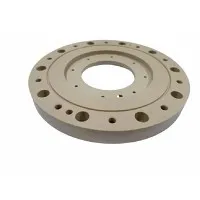

Hey there! I'm a supplier in the business of CNC machining PEEK. PEEK, or Polyether Ether Ketone, is an awesome high-performance thermoplastic. It's got some amazing properties like high heat resistance, excellent mechanical strength, and great chemical resistance. But before we jump into the CNC machining process, it's super important to store PEEK materials properly. In this blog, I'll share some tips on how to do just that.
Why Proper Storage Matters
First off, let's talk about why proper storage is such a big deal. PEEK is a hygroscopic material, which means it can absorb moisture from the air. When PEEK absorbs moisture, it can lead to some issues during the CNC machining process. For example, the moisture can cause the material to expand, which can affect the dimensional accuracy of the final product. It can also lead to surface defects like bubbles or voids.
Another reason proper storage is important is to prevent damage to the PEEK material. PEEK is a relatively hard and strong material, but it can still be scratched or dented if not stored correctly. These damages can also affect the quality of the final machined product.
Ideal Storage Conditions
Temperature
The ideal temperature for storing PEEK materials is between 20°C and 30°C (68°F and 86°F). This temperature range helps to keep the material in a stable state and prevents any thermal expansion or contraction. If the temperature is too high, the PEEK material may start to soften or even melt. On the other hand, if the temperature is too low, the material may become brittle and more prone to cracking.
Humidity
As I mentioned earlier, PEEK is hygroscopic, so it's important to control the humidity in the storage area. The relative humidity should be kept below 50%. You can use a dehumidifier to achieve this. If the humidity is too high, the PEEK material will absorb moisture, which can cause problems during machining.
Light
PEEK materials should be stored in a dark or low-light environment. Exposure to direct sunlight or strong artificial light can cause the material to degrade over time. UV rays can break down the chemical bonds in the PEEK, which can lead to a decrease in its mechanical properties.
Storage Containers
Sealed Containers
It's best to store PEEK materials in sealed containers. This helps to protect the material from moisture, dust, and other contaminants. You can use plastic bags or plastic containers with tight-fitting lids. Make sure to label the containers with the type of PEEK material, the date of storage, and any other relevant information.


Shelving
When storing PEEK materials on shelves, make sure the shelves are clean and dry. Avoid stacking the materials too high, as this can cause damage to the bottom layers. You can also use dividers to separate different types of PEEK materials.
Handling During Storage
Avoiding Contamination
When handling PEEK materials, make sure your hands are clean and dry. Any dirt, oil, or moisture on your hands can transfer to the material and cause problems. You can wear gloves to prevent contamination.
Inspecting Regularly
It's a good idea to inspect the PEEK materials regularly during storage. Check for any signs of damage, such as scratches, dents, or discoloration. If you notice any issues, take appropriate action, such as moving the material to a different storage location or discarding it if it's too damaged.
Preparing PEEK Materials for CNC Machining
Before starting the CNC machining process, it's important to prepare the PEEK materials properly. This may involve drying the material to remove any absorbed moisture. You can use an oven to dry the PEEK at a temperature of around 150°C (302°F) for a few hours. Make sure to follow the manufacturer's recommendations for drying time and temperature.
Other CNC Machining Plastics
In addition to PEEK, we also offer CNC Machining PMMA, CNC Machining ABS, and CNC Machining PPSU. Each of these plastics has its own unique properties and storage requirements. If you're interested in learning more about these materials, feel free to reach out.
Conclusion
Proper storage of PEEK materials before CNC machining is crucial for ensuring the quality of the final product. By following the tips I've shared in this blog, you can help to prevent issues like moisture absorption, damage, and degradation. If you have any questions or need more information about storing PEEK materials or our CNC machining services, don't hesitate to contact us. We're here to help you get the best results from your PEEK machining projects.
References
- "PEEK: Properties, Processing, and Applications" - A technical guide on PEEK materials.
- "CNC Machining Handbook" - A comprehensive resource on CNC machining processes and materials.