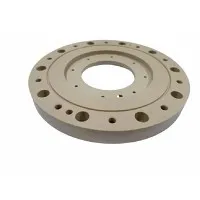

Hey there! I'm a supplier of CNC Machining Nylon, and I've seen firsthand how humidity can mess with nylon parts. In this blog, I'll share some tips on how to protect your CNC machined nylon parts from humidity.
Why Humidity is a Problem for Nylon Parts
Nylon is a hygroscopic material, which means it absorbs moisture from the air. When nylon parts absorb moisture, they can swell, warp, or lose their dimensional stability. This can lead to problems such as poor fit, reduced strength, and even failure of the part.
In addition to the physical changes, humidity can also cause chemical changes in nylon. Moisture can react with the nylon polymer, leading to hydrolysis and degradation of the material. This can further reduce the strength and durability of the parts.
Storage Conditions
One of the most important steps in protecting CNC machined nylon parts from humidity is to store them in the right conditions. Here are some tips:
- Keep the Storage Area Dry: The ideal storage environment for nylon parts has a relative humidity (RH) of less than 50%. You can use a dehumidifier to maintain the humidity level in the storage area. If you don't have a dehumidifier, you can also use desiccants such as silica gel packets. Place these desiccants in the storage containers or cabinets to absorb moisture.
- Control the Temperature: Temperature also plays a role in moisture absorption. Nylon absorbs more moisture at higher temperatures. So, try to keep the storage area at a moderate temperature, ideally between 20 - 25°C (68 - 77°F).
- Use Sealed Containers: Store the nylon parts in sealed plastic bags or containers. This will prevent moisture from getting in and keep the parts dry. You can also add a layer of protective film or wrapping around the parts before putting them in the containers for extra protection.
Packaging
Proper packaging is crucial for protecting nylon parts during transportation and storage. Here's what you can do:
- Vapor - Corrosion Inhibitor (VCI) Packaging: VCI packaging materials release vapor that forms a protective layer on the surface of the nylon parts. This layer helps to prevent moisture and other contaminants from reaching the parts. VCI bags and wraps are readily available in the market and are a great option for protecting nylon parts.
- Moisture - Barrier Packaging: Use packaging materials that have a high moisture - barrier property. For example, aluminum foil - lined bags or multi - layer plastic films can effectively block moisture from entering the package.
Surface Treatments
Applying surface treatments to the nylon parts can also help in protecting them from humidity.
- Coatings: There are various types of coatings available that can be applied to nylon parts. For example, a clear epoxy coating can form a protective layer on the surface of the nylon, preventing moisture from penetrating. Some coatings also have anti - static properties, which can help in reducing the attraction of dust and other contaminants.
- Lubricants: Certain lubricants can also act as a moisture barrier. Applying a thin layer of a silicone - based lubricant on the surface of the nylon parts can help to repel moisture. However, make sure that the lubricant is compatible with the nylon material and does not cause any chemical reactions.
Handling and Maintenance
How you handle and maintain the nylon parts also affects their resistance to humidity.
- Cleanliness: Keep the nylon parts clean. Dirt and contaminants on the surface of the parts can trap moisture and accelerate the degradation process. Use a clean, dry cloth to wipe the parts regularly. If necessary, you can use a mild cleaning solution, but make sure to dry the parts thoroughly after cleaning.
- Avoid Direct Contact with Moist Surfaces: When handling the nylon parts, avoid placing them on wet or damp surfaces. This will prevent moisture from being transferred to the parts.
Comparing with Other CNC Machined Plastics
It's interesting to note how nylon compares with other plastics when it comes to humidity resistance. For instance, CNC Machining POM has relatively low moisture absorption compared to nylon. POM parts are less likely to swell or warp due to humidity. On the other hand, CNC Machining PMMA is also affected by humidity, but its response is different. PMMA can become cloudy or hazy when exposed to high humidity for a long time. CNC Machining ABS has moderate moisture absorption, and like nylon, it can also experience dimensional changes if not properly protected from humidity.
Conclusion
Protecting CNC machined nylon parts from humidity is essential to ensure their quality and performance. By following the tips on storage conditions, packaging, surface treatments, and proper handling, you can significantly reduce the risk of moisture - related damage to your nylon parts.
If you're in the market for high - quality CNC machined nylon parts or have any questions about protecting them from humidity, feel free to reach out for a procurement discussion. I'm here to help you get the best solutions for your needs.


References
- "Plastics Engineering Handbook", Various authors
- Industry reports on plastic materials and their properties
- Manufacturer's guidelines for CNC machined nylon parts