Optimizing the bending layout for multiple AL5052 sheet metal parts is a crucial aspect of the sheet metal fabrication process. As a supplier of bending sheet metal AL5052, I have witnessed firsthand the impact that an efficient layout can have on production costs, material utilization, and overall product quality. In this blog post, I will share some insights and strategies on how to optimize the bending layout for multiple AL5052 sheet metal parts.
Understanding AL5052 Sheet Metal
Before delving into the optimization of the bending layout, it is essential to understand the properties of AL5052 sheet metal. AL5052 is an aluminum alloy that is widely used in various industries due to its excellent corrosion resistance, high strength-to-weight ratio, and good formability. These properties make it an ideal choice for applications such as automotive parts, aerospace components, and electronic enclosures.
When bending AL5052 sheet metal, it is important to consider its mechanical properties, such as yield strength and ultimate tensile strength. These properties determine the maximum bending force that the material can withstand without cracking or deforming. Additionally, the thickness of the sheet metal also plays a crucial role in the bending process. Thicker sheets require more force to bend and may require special tooling or equipment.
Importance of Bending Layout Optimization
Optimizing the bending layout for multiple AL5052 sheet metal parts offers several benefits. Firstly, it reduces material waste by maximizing the utilization of the sheet metal. By arranging the parts in a way that minimizes the spaces between them, more parts can be cut from a single sheet, resulting in significant cost savings. Secondly, an optimized layout can improve production efficiency by reducing the number of setups and tool changes required during the bending process. This leads to shorter production times and increased throughput. Finally, a well-designed bending layout can enhance the quality of the finished parts by minimizing the risk of deformation, cracking, or other defects.
Strategies for Optimizing Bending Layout
1. Nesting
Nesting is the process of arranging the parts on the sheet metal in the most efficient way possible to minimize waste. There are several nesting algorithms available that can automatically generate the optimal layout based on the shape and size of the parts. These algorithms take into account factors such as the grain direction of the sheet metal, the minimum distance between parts, and the available cutting tools. By using nesting software, you can quickly and easily generate a layout that maximizes material utilization and reduces waste.
2. Part Orientation
The orientation of the parts on the sheet metal can have a significant impact on the bending process. When possible, it is recommended to orient the parts in a way that aligns with the grain direction of the sheet metal. This helps to minimize the risk of cracking or splitting during bending. Additionally, parts should be arranged in a way that allows for easy access to the bending tools and equipment. This reduces the need for complex setups and tool changes, which can improve production efficiency.
3. Bending Sequence
The bending sequence refers to the order in which the bends are made on the sheet metal. A well-planned bending sequence can help to minimize the risk of deformation and ensure that the parts are bent accurately. When determining the bending sequence, it is important to consider factors such as the location and direction of the bends, the thickness of the sheet metal, and the available bending tools. In some cases, it may be necessary to make multiple bends in a specific order to achieve the desired shape.
4. Tooling Selection
The choice of bending tools and equipment can also affect the bending layout and the quality of the finished parts. Different types of bending tools, such as press brakes, folder machines, and tube benders, have different capabilities and limitations. When selecting the bending tools, it is important to consider factors such as the thickness and type of the sheet metal, the complexity of the bends, and the production volume. Additionally, the tooling should be properly maintained and calibrated to ensure accurate and consistent bending results.
5. Design for Manufacturability
Designing the parts with manufacturability in mind can significantly simplify the bending process and optimize the bending layout. This involves considering factors such as the minimum bend radius, the clearance between the bends, and the use of standard or custom tooling. By working closely with the design team, you can ensure that the parts are designed in a way that is easy to manufacture and that minimizes the risk of defects.
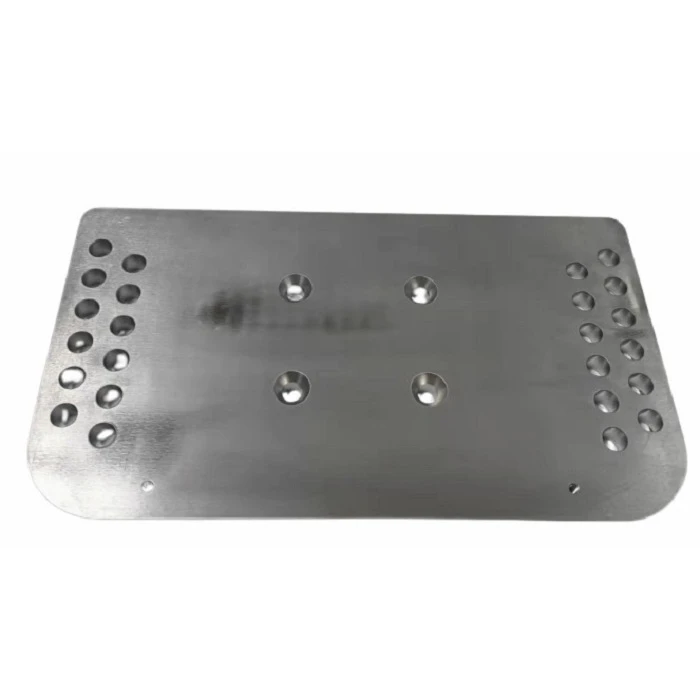

Case Study: Optimizing Bending Layout for Automotive Parts
To illustrate the benefits of bending layout optimization, let's consider a case study of a company that manufactures automotive parts using AL5052 sheet metal. The company was facing challenges with high material costs and long production times due to inefficient bending layouts. To address these issues, the company decided to implement a bending layout optimization strategy.
The first step was to analyze the existing bending layouts and identify areas for improvement. The company used nesting software to generate new layouts that maximized material utilization and reduced waste. Additionally, the company optimized the part orientation and bending sequence to improve production efficiency and reduce the risk of defects.
The results of the optimization were significant. The company was able to reduce material waste by up to 20%, resulting in substantial cost savings. The production time was also reduced by up to 30%, allowing the company to increase its throughput and meet customer demand more quickly. Furthermore, the quality of the finished parts improved, as the risk of deformation and cracking was minimized.
Conclusion
Optimizing the bending layout for multiple AL5052 sheet metal parts is a critical step in the sheet metal fabrication process. By implementing strategies such as nesting, part orientation, bending sequence optimization, tooling selection, and design for manufacturability, you can reduce material waste, improve production efficiency, and enhance the quality of the finished parts. As a supplier of bending sheet metal AL5052, I am committed to helping my customers optimize their bending layouts and achieve their production goals. If you are interested in learning more about our products and services, or if you have any questions or concerns, please feel free to contact us. We would be happy to discuss your specific requirements and provide you with a customized solution.
In addition to AL5052 sheet metal fabrication, we also offer Brass and Copper Sheet Metal Fabrication and Steel Sheet Metal Fabrication. Our team of experienced engineers and technicians can work with you to design and manufacture high-quality parts that meet your exact specifications. Whether you need a small batch of prototypes or a large production run, we have the expertise and capabilities to deliver the results you need.
References
- "Sheet Metal Fabrication Handbook" by John R. Walker
- "Aluminum Alloys: Structure and Properties" by David A. Porter and Ken E. Easterling
- "Nesting Algorithms for Sheet Metal Cutting" by Michael Held and Robert M. Karp