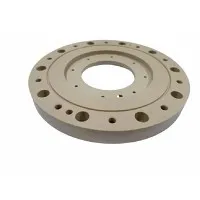

As a supplier of machined POM (Polyoxymethylene) parts, I understand the importance of maintaining these components to ensure their optimal performance and longevity. POM, also known as acetal, is a high-performance engineering thermoplastic valued for its excellent mechanical properties, including high stiffness, low friction, and good wear resistance. However, like any mechanical parts, machined POM parts require proper maintenance to function at their best. In this blog, I will share some practical tips on how to maintain machined POM parts.


Understanding POM Material Characteristics
Before delving into maintenance strategies, it's essential to understand the unique characteristics of POM material. POM is a semi - crystalline thermoplastic with a high melting point and good dimensional stability. It has excellent resistance to solvents, fuels, and many chemicals, but it is sensitive to strong acids, alkalis, and oxidizing agents. Additionally, POM can absorb moisture, although at a relatively low rate compared to other plastics. Excessive moisture absorption can lead to dimensional changes and reduced mechanical properties.
Regular Cleaning
One of the most basic yet crucial maintenance steps for machined POM parts is regular cleaning. Dust, dirt, and debris can accumulate on the surface of the parts over time, which may cause abrasion and affect the part's performance. To clean POM parts, use a soft, lint - free cloth or a brush. For light cleaning, you can use mild soap and water. Make sure to rinse the parts thoroughly to remove any soap residue and then dry them completely. Avoid using abrasive cleaners or solvents that may damage the POM surface. For example, harsh chemicals such as acetone or benzene can dissolve or swell POM, so they should be strictly avoided.
If the parts are used in a more industrial environment where they are exposed to oil, grease, or other contaminants, a specialized plastic cleaner may be required. However, always test the cleaner on a small, inconspicuous area first to ensure it does not cause any adverse effects on the POM material.
Inspection for Wear and Damage
Regular inspection is another key aspect of maintaining machined POM parts. Check the parts for signs of wear, such as scratches, cracks, or deformation. Wear can occur due to friction, impact, or exposure to harsh operating conditions. If you notice any significant wear or damage, it's important to address it promptly. Minor scratches may be able to be smoothed out using fine - grit sandpaper, but deeper scratches or cracks may require the part to be replaced.
In addition to visual inspection, you can also perform functional tests on the POM parts. For example, if the part is a moving component, check its range of motion, smoothness of operation, and any unusual noises or vibrations. These can be early indicators of potential problems.
Lubrication
Proper lubrication is essential for machined POM parts, especially those that are in contact with other surfaces or are subject to high - friction applications. Lubrication reduces wear and friction, extends the service life of the parts, and improves their overall performance. When choosing a lubricant for POM parts, it's important to select one that is compatible with POM material. Silicone - based lubricants are generally a good choice as they have good chemical stability and low reactivity with POM.
Apply the lubricant evenly to the contact surfaces of the POM parts. Be careful not to over - lubricate, as excessive lubricant can attract dust and debris, which may cause more harm than good. Follow the manufacturer's recommendations for the type and amount of lubricant to use.
Storage Conditions
When machined POM parts are not in use, proper storage is crucial to prevent damage. Store the parts in a clean, dry, and cool environment. Avoid exposing them to direct sunlight or high temperatures, as this can cause the POM to degrade over time. High humidity can also lead to moisture absorption, so it's advisable to store the parts in a humidity - controlled area.
If possible, store the POM parts in protective packaging, such as plastic bags or cases, to prevent them from being scratched or damaged by other objects. Label the packaging with relevant information about the parts, such as part number, material, and any special handling instructions.
Avoidance of Chemical Exposure
As mentioned earlier, POM is sensitive to certain chemicals. To maintain the integrity of machined POM parts, it's important to avoid exposing them to strong acids, alkalis, and oxidizing agents. In industrial settings, make sure to isolate the POM parts from areas where these chemicals are used or stored. If the parts come into accidental contact with a harmful chemical, rinse them immediately with plenty of water and follow the appropriate cleaning procedures.
Comparison with Other Machined Plastic Parts
It's interesting to compare the maintenance of machined POM parts with other commonly machined plastic parts, such as nylon, PMMA, and FR4 G10. You can learn more about the specific details of CNC Machining Nylon, CNC Machining PMMA, and CNC Machining FR4 G10.
Nylon is a hygroscopic material, which means it absorbs moisture more readily than POM. This requires more attention to controlling the humidity during storage and use. PMMA, also known as acrylic, is more brittle compared to POM and is easily scratched. Special care is needed when cleaning and handling PMMA parts. FR4 G10 is a fiberglass - reinforced plastic with good mechanical and electrical properties. It is more resistant to high temperatures and chemicals compared to POM, but it also has its own set of maintenance requirements, such as avoiding over - stressing the fiberglass structure.
Conclusion
Maintaining machined POM parts is a multi - faceted process that involves regular cleaning, inspection, lubrication, proper storage, and avoidance of harmful chemical exposure. By following these maintenance tips, you can ensure that your POM parts perform at their best and have a longer service life.
As a supplier of machined POM parts, I am committed to providing high - quality products and sharing my knowledge to help our customers make the most of these parts. If you are interested in purchasing machined POM parts or have any questions about their maintenance or application, I encourage you to get in touch with our team for further discussion and procurement negotiation. We will be happy to assist you in finding the best solutions for your specific needs.
References
- "Engineering Plastics Handbook: Properties, Processing, and Applications" by Yasuhiko Ohkita
- Manufacturer's technical data sheets for POM materials