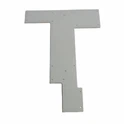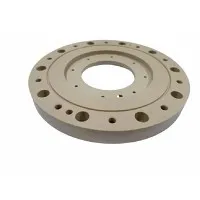

PMMA, also known as acrylic or plexiglass, is a widely used thermoplastic due to its excellent optical clarity, high strength, and good weather resistance. In the milling machining process, achieving high - quality surface finish on PMMA parts is crucial for both aesthetic and functional reasons. As a professional milling machining PMMA supplier, I have accumulated a wealth of experience in improving the surface quality of PMMA during the milling process. In this blog, I will share some effective methods to enhance the surface quality when milling PMMA.
Understanding the Characteristics of PMMA
Before delving into the methods of improving surface quality, it's essential to understand the properties of PMMA. PMMA is relatively brittle compared to some other plastics. It has a low thermal conductivity, which means that heat generated during the milling process can accumulate quickly, leading to melting, cracking, or chipping of the material. Additionally, PMMA has a tendency to stick to cutting tools, causing tool wear and poor surface finish.
Selecting the Right Cutting Tools
The choice of cutting tools is of utmost importance in achieving a good surface finish on PMMA. High - speed steel (HSS) or carbide tools are commonly used for milling PMMA. Carbide tools are generally preferred due to their high hardness, wear resistance, and ability to maintain sharp cutting edges for longer periods.
- Tool Geometry: Tools with sharp cutting edges and appropriate rake and clearance angles are essential. For PMMA, a positive rake angle can reduce cutting forces and prevent material from sticking to the tool. Helical end mills with a high helix angle are often recommended as they can provide a smoother cutting action and better chip evacuation.
- Tool Coating: Some cutting tools come with special coatings, such as titanium nitride (TiN) or titanium aluminum nitride (TiAlN). These coatings can reduce friction between the tool and the PMMA, improve wear resistance, and prevent the material from adhering to the tool surface, thus enhancing the surface quality of the milled part.
Optimizing Cutting Parameters
Proper selection of cutting parameters, including cutting speed, feed rate, and depth of cut, is crucial for improving the surface quality of PMMA during milling.
- Cutting Speed: A higher cutting speed can generally result in a better surface finish, but it must be balanced with the heat generated during the process. If the cutting speed is too high, excessive heat can be generated, causing the PMMA to melt or deform. On the other hand, if the cutting speed is too low, the tool may rub against the material rather than cut it cleanly, leading to a poor surface finish. For PMMA, a cutting speed in the range of 60 - 120 m/min is often recommended.
- Feed Rate: The feed rate determines how fast the tool moves along the workpiece. A lower feed rate can produce a smoother surface finish, but it also increases the machining time. A feed rate that is too high can cause the tool to tear the material, resulting in a rough surface. A feed rate of 0.05 - 0.2 mm/tooth is typically suitable for milling PMMA.
- Depth of Cut: A smaller depth of cut can reduce cutting forces and minimize the risk of chipping or cracking. It is advisable to use multiple light cuts rather than a single deep cut. For roughing operations, a depth of cut of 1 - 3 mm can be used, while for finishing operations, a depth of cut of 0.1 - 0.5 mm is recommended.
Chip Evacuation
Effective chip evacuation is essential to prevent chips from re - cutting the workpiece and causing surface defects. When milling PMMA, chips can be long and stringy, which can easily clog the cutting area.
- Coolant and Lubrication: Using a suitable coolant or lubricant can help reduce heat, prevent the material from sticking to the tool, and improve chip evacuation. For PMMA, water - soluble coolants or light oils are commonly used. However, it's important to ensure that the coolant or lubricant is compatible with PMMA to avoid any chemical reactions or surface damage.
- Chip Breakers: Some cutting tools are equipped with chip breakers, which can break the long chips into smaller pieces, making them easier to evacuate. Additionally, proper design of the milling machine's chip removal system, such as using a vacuum or air blast, can also help keep the cutting area clean.
Workpiece Fixing and Fixturing
Proper workpiece fixing and fixturing are necessary to prevent vibration and movement during the milling process, which can lead to poor surface quality.
- Clamping Force: The workpiece should be firmly clamped to the milling machine table, but excessive clamping force can cause the PMMA to deform. It's important to use soft jaws or pads to protect the surface of the PMMA from damage.
- Vibration Damping: Using vibration - damping materials or fixtures can help reduce the vibration generated during the milling process. For example, rubber pads or viscoelastic materials can be placed between the workpiece and the fixture to absorb vibrations.
Post - machining Processes
After the milling process, some post - machining processes can be used to further improve the surface quality of PMMA parts.
- Polishing: Polishing is a common method to enhance the surface finish of PMMA. Different grades of abrasive papers or polishing compounds can be used to gradually smooth the surface. Starting with a coarse - grit paper and progressing to a fine - grit paper or compound can achieve a high - gloss finish.
- Buffing: Buffing is another effective way to improve the surface appearance of PMMA. A buffing wheel and a suitable buffing compound can be used to create a mirror - like finish on the surface of the part.
Related CNC Machining Services
In addition to milling PMMA, we also offer a wide range of other CNC machining services, such as CNC Machining FR4 G10, CNC Machining Nylon, and CNC Machining ABS. These services are tailored to meet the diverse needs of our customers in various industries.
Conclusion
Improving the surface quality when milling PMMA requires a comprehensive approach that takes into account the characteristics of the material, the selection of cutting tools, optimization of cutting parameters, chip evacuation, workpiece fixing, and post - machining processes. By following these guidelines, we can produce high - quality PMMA parts with excellent surface finish.
If you are interested in our milling machining PMMA services or other CNC machining services, please feel free to contact us for procurement and further discussions. We are committed to providing you with the best - quality products and services.


References
- Kalpakjian, S., & Schmid, S. R. (2009). Manufacturing Engineering and Technology. Pearson Prentice Hall.
- Groover, M. P. (2010). Fundamentals of Modern Manufacturing: Materials, Processes, and Systems. Wiley.