
How to Design Sheet Metal Brackets for Structural Support
As a seasoned provider in the sheet metal fabrication industry, I've witnessed firsthand the critical role that well - designed sheet metal brackets play in various structural applications. Whether it's in the automotive, aerospace, or construction sectors, these brackets are the unsung heroes that hold everything together. In this blog post, I'll share some insights on how to design sheet metal brackets for optimal structural support.
Understanding the Application
The first step in designing sheet metal brackets is to have a clear understanding of the application. What is the bracket supposed to support? Is it a heavy - duty machine, a delicate electronic component, or something in between? Consider the load that the bracket will bear, including both static and dynamic loads. Static loads are constant, such as the weight of an object resting on the bracket, while dynamic loads can change over time, like vibrations or impacts.

For example, in an automotive engine compartment, brackets may need to withstand high - frequency vibrations from the engine. In such a case, the design must account for fatigue resistance to prevent premature failure. On the other hand, a bracket used in a building's HVAC system may mainly support the weight of the ductwork, so static load capacity is the primary concern.
Material Selection
The choice of material for sheet metal brackets is crucial as it directly affects the bracket's strength, durability, and cost. There are several common materials used in sheet metal fabrication, each with its own unique properties.
- Aluminum: Lightweight and corrosion - resistant, aluminum is an excellent choice for applications where weight is a concern, such as in the aerospace industry. Aluminum Sheet Metal Fabrication offers a wide range of options for creating brackets with high strength - to - weight ratios.
- Steel: Known for its high strength and toughness, steel is suitable for heavy - duty applications. It can be further classified into different types, such as mild steel, stainless steel, and high - strength steel. Steel Sheet Metal Fabrication provides the flexibility to choose the right steel grade based on the specific requirements of the bracket.
- Brass and Copper: These metals are often used for their excellent electrical conductivity and corrosion resistance. They are commonly found in electrical and electronic applications. Brass and Copper Sheet Metal Fabrication allows for the creation of brackets that can also serve as electrical connectors in some cases.
Geometric Design
The geometric design of the bracket is another key factor in ensuring its structural support capabilities. Here are some important aspects to consider:
- Shape: The shape of the bracket can significantly impact its strength. For example, L - shaped brackets are commonly used for corner support, while U - shaped brackets can provide more stability for longer spans. Complex shapes can be designed to distribute the load more evenly, reducing stress concentrations.
- Thickness: The thickness of the sheet metal affects the bracket's load - bearing capacity. A thicker sheet will generally be stronger, but it also adds weight and cost. It's important to find the right balance between thickness and the required strength for the application.
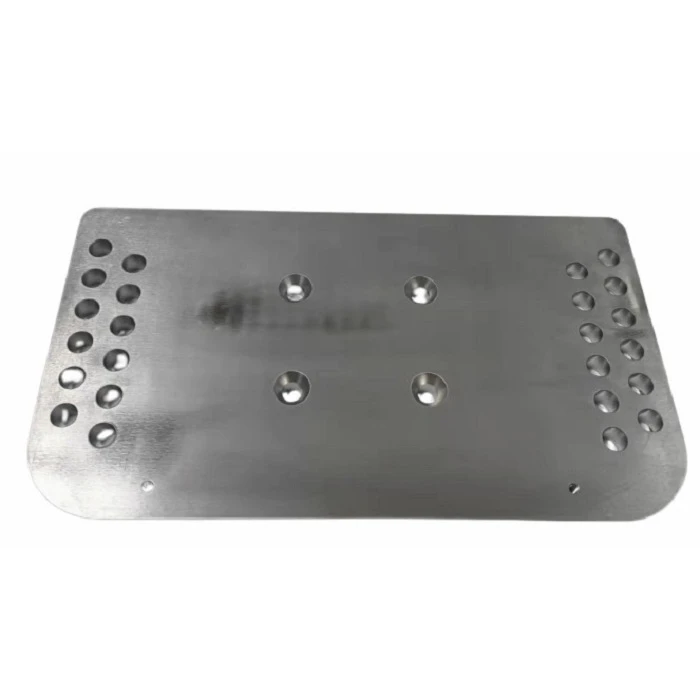
- Holes and Cutouts: Holes and cutouts are often necessary for mounting the bracket or for routing wires and pipes. However, they can also weaken the bracket if not designed properly. Reinforcement around the holes, such as flanges or ribs, can help maintain the bracket's strength.
Stress Analysis
Before finalizing the design, it's essential to perform a stress analysis. This can be done using computer - aided engineering (CAE) software, which can simulate the behavior of the bracket under different loads. Stress analysis helps identify areas of high stress concentration, which can lead to failure.
By analyzing the stress distribution, designers can make adjustments to the bracket's shape, thickness, or material to reduce stress levels. For example, adding fillets at sharp corners can reduce stress concentrations and improve the bracket's fatigue life.
Manufacturing Considerations
The design of sheet metal brackets must also take into account the manufacturing process. Some common sheet metal fabrication processes include cutting, bending, and welding.
- Cutting: The cutting process, whether it's laser cutting, plasma cutting, or waterjet cutting, can affect the edge quality of the bracket. A smooth edge is important for both aesthetic and functional reasons, as rough edges can cause stress concentrations.
- Bending: Bending is used to create the desired shape of the bracket. The bend radius and angle must be carefully designed to ensure that the metal does not crack or deform during the bending process.
- Welding: If the bracket requires welding, the design should consider the welding process and the location of the welds. Proper weld design and joint preparation are essential for ensuring the strength and integrity of the bracket.
Prototyping and Testing
Once the initial design is complete, it's a good idea to create a prototype. Prototyping allows for physical testing of the bracket under real - world conditions. This can help identify any design flaws or manufacturing issues that may not have been apparent during the design phase.
Testing can include load testing, where the bracket is subjected to the expected loads to measure its performance. Based on the test results, the design can be refined and optimized before mass production.
Conclusion
Designing sheet metal brackets for structural support is a complex process that requires a comprehensive understanding of the application, material properties, geometric design, stress analysis, manufacturing processes, and testing. By following these steps and considering all the factors involved, you can create high - quality brackets that provide reliable structural support.
If you're in need of sheet metal brackets for your project, we're here to help. Our team of experienced designers and fabricators can work with you to develop custom - designed brackets that meet your specific requirements. Whether it's a small - scale project or a large - scale production run, we have the expertise and capabilities to deliver top - notch products. Contact us today to start the procurement and negotiation process.
References
- Callister, W. D., & Rethwisch, D. G. (2016). Materials Science and Engineering: An Introduction. Wiley.
- Dieter, G. E. (1986). Engineering Design: A Materials and Processing Approach. McGraw - Hill.
- Shigley, J. E., & Mischke, C. R. (2001). Mechanical Engineering Design. McGraw - Hill.