
Hey there! I'm a supplier in the Ceramic Material Machining business, and today I want to chat about how the porosity of ceramics affects machining. It's a topic that's super important in our field, and understanding it can make a huge difference in the quality of the final product.
First off, let's talk about what porosity in ceramics actually means. Porosity refers to the amount of empty space or pores within a ceramic material. These pores can vary in size, shape, and distribution. You can think of it like a sponge – some sponges have lots of tiny holes, while others have fewer but bigger ones. In ceramics, porosity can be influenced by factors like the raw materials used, the manufacturing process, and the firing conditions.
Now, how does this porosity impact machining? Well, one of the most significant effects is on the mechanical properties of the ceramic. Ceramics with high porosity tend to be less dense and have lower strength compared to those with low porosity. This means that when you're machining a high - porosity ceramic, it's more likely to crack or chip. For example, if you're using a cutting tool to shape the ceramic, the forces applied during the cutting process can cause the material around the pores to break away more easily.
On the other hand, low - porosity ceramics are generally stronger and more rigid. They can withstand the forces of machining better, resulting in a smoother finish and fewer defects. But machining low - porosity ceramics also has its challenges. Since they're harder, you need more powerful machining equipment and sharper cutting tools. The cutting process can generate a lot of heat, which can lead to thermal stress in the ceramic. If not managed properly, this thermal stress can cause the ceramic to crack.
Let's dig a bit deeper into the machining process itself. When it comes to grinding, which is a common machining operation for ceramics, porosity plays a crucial role. In high - porosity ceramics, the grinding wheel can penetrate the material more easily because of the presence of pores. This can lead to a faster material removal rate. However, it also means that the surface finish might not be as smooth as desired. The pores can cause the grinding wheel to bounce around a bit, leaving behind an uneven surface.
For low - porosity ceramics, grinding is a bit more of a delicate process. The hard and dense nature of the material requires a slower grinding speed and more precise control. The grinding wheel needs to be carefully selected to ensure that it can effectively remove the material without causing excessive damage. You can check out more about the machining process in different applications on our Low Thermal Expansion Machining and High Temperature Resistance Machining pages.
Another aspect to consider is the impact of porosity on the wear of machining tools. High - porosity ceramics can cause more rapid wear on cutting tools. The porous structure means that the tool is constantly coming into contact with air pockets within the material. This can lead to uneven wear patterns and a shorter tool life. In contrast, low - porosity ceramics, while harder to machine, can actually result in more consistent tool wear. The dense material provides a more uniform cutting surface, allowing the tool to perform more predictably.
When it comes to drilling holes in ceramics, porosity also makes a difference. In high - porosity ceramics, the drill bit might encounter less resistance as it passes through the pores. But this can also lead to the drill bit wandering off course, resulting in inaccurate hole placement. Low - porosity ceramics, with their greater strength and rigidity, are more likely to maintain the integrity of the drilled hole. However, the drilling process requires more force and careful control to avoid cracking the material.
Now, let's talk about how we, as a Ceramic Material Machining supplier, deal with these porosity - related challenges. We have a team of experts who are well - versed in understanding the properties of different ceramic materials. Before starting any machining project, we analyze the porosity of the ceramic to determine the most suitable machining techniques and tools.
For high - porosity ceramics, we focus on minimizing the risk of cracking and chipping. We use gentle machining processes and tools with a lower cutting force. We also pay close attention to the surface finish, using additional finishing steps to smooth out any roughness caused by the pores.
When it comes to low - porosity ceramics, we invest in high - quality machining equipment and cutting tools. We have advanced cooling systems in place to manage the heat generated during machining and prevent thermal stress. Our team is trained to operate the equipment with precision to ensure that the final product meets the highest standards.
If you're in the market for ceramic machining services, it's important to understand how porosity can affect the quality and cost of the final product. The right choice of machining techniques and tools can make all the difference. Whether you need a high - precision component for a high - tech application or a simple ceramic part for a more general use, we're here to help.
We have a wide range of experience in Ceramic Material Machining, and we're confident that we can meet your specific requirements. If you have any questions or want to discuss a project, don't hesitate to reach out. We're always happy to have a chat and see how we can work together to achieve the best results.
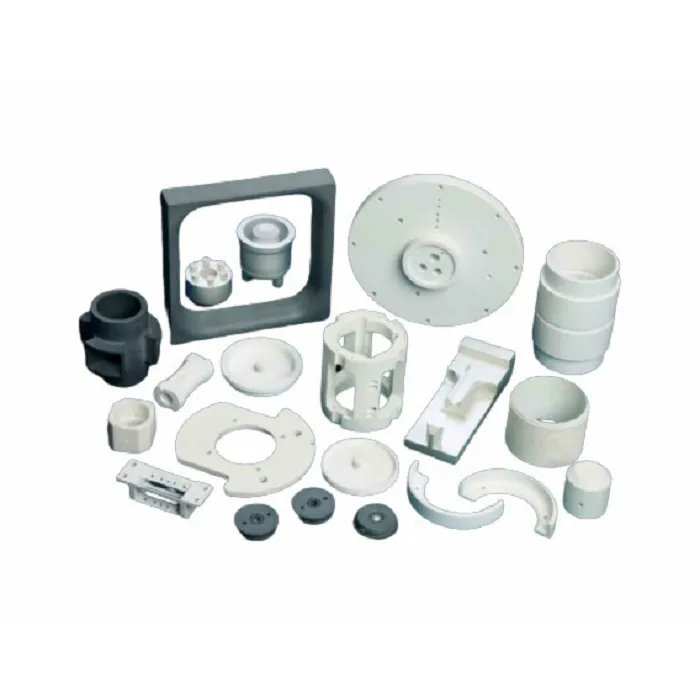

In conclusion, the porosity of ceramics has a significant impact on machining. It affects the mechanical properties of the material, the machining process itself, and the wear of tools. By understanding these effects and using the right approach, we can produce high - quality ceramic products. So, if you're looking for a reliable Ceramic Material Machining supplier, give us a shout. We're ready to take on your challenges and deliver outstanding results.
References
- Smith, J. (2018). "Advances in Ceramic Machining". Journal of Materials Science.
- Brown, A. (2019). "The Impact of Porosity on Ceramic Properties and Machining". International Journal of Ceramic Engineering.
- Johnson, R. (2020). "Machining Techniques for Different Types of Ceramics". Manufacturing Technology Review.