
Hey there! As a surface treatment supplier, I've seen firsthand how surface treatment can make or break the chemical stability of a surface. In this blog post, I'm gonna break down what surface treatment is, how it affects chemical stability, and why it matters for your projects.
First off, let's talk about what surface treatment actually is. Surface treatment is a process that modifies the surface properties of a material to enhance its performance, appearance, or durability. There are all sorts of surface treatment methods out there, from simple cleaning and polishing to more complex processes like coating, plating, and etching. Each method has its own unique benefits and applications, depending on the material and the desired outcome.
So, how does surface treatment influence the chemical stability of a surface? Well, it all comes down to the surface's ability to resist chemical reactions. When a surface is exposed to chemicals, it can react with them in a variety of ways, depending on the nature of the chemicals and the surface material. These reactions can cause corrosion, degradation, or other forms of damage, which can compromise the integrity and performance of the material.
Surface treatment can help improve the chemical stability of a surface in several ways. For example, a protective coating can act as a barrier between the surface and the chemicals, preventing them from coming into direct contact and reacting with each other. This can be especially useful for materials that are prone to corrosion, such as metals. By applying a coating, you can significantly extend the lifespan of the material and reduce the need for costly repairs or replacements.
Another way surface treatment can enhance chemical stability is by modifying the surface chemistry of the material. For instance, a process like passivation can create a thin, protective layer on the surface of a metal, which can make it more resistant to oxidation and corrosion. Similarly, a treatment like nitriding can introduce nitrogen atoms into the surface of a metal, which can improve its hardness, wear resistance, and chemical stability.
In addition to protecting the surface from chemical reactions, surface treatment can also improve its resistance to other environmental factors, such as moisture, heat, and UV radiation. For example, a waterproof coating can prevent water from seeping into the material and causing damage, while a heat-resistant coating can protect the surface from high temperatures and thermal stress.
Now, let's take a closer look at some specific types of surface treatment and how they can affect chemical stability.
Engineering Plastic Surface Finishing
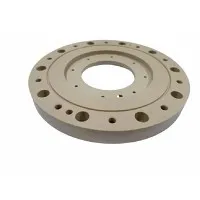
Engineering plastics are widely used in a variety of industries, thanks to their excellent mechanical properties, chemical resistance, and lightweight. However, like any other material, they can still be susceptible to chemical damage if not properly treated. That's where engineering plastic surface finishing comes in.
There are several different types of surface finishing techniques that can be used on engineering plastics, including painting, plating, and coating. Each technique has its own unique advantages and disadvantages, depending on the specific requirements of the application.
For example, painting can provide a decorative finish and protect the surface from scratches and abrasions. However, it may not be as effective at preventing chemical damage as other types of surface treatment. On the other hand, plating can provide a more durable and corrosion-resistant finish, but it can be more expensive and may require specialized equipment and expertise.
If you're interested in learning more about engineering plastic surface finishing, check out our Engineering Plastic Surface Finishing page.
Stainless Steel Surface Finishing
Stainless steel is a popular choice for many applications, thanks to its excellent corrosion resistance, strength, and durability. However, even stainless steel can be susceptible to corrosion if it's not properly treated. That's where stainless steel surface finishing comes in.
There are several different types of surface finishing techniques that can be used on stainless steel, including polishing, grinding, and passivation. Each technique has its own unique advantages and disadvantages, depending on the specific requirements of the application.
For example, polishing can provide a smooth, shiny finish and improve the appearance of the stainless steel. However, it may not be as effective at preventing corrosion as other types of surface treatment. On the other hand, passivation can create a thin, protective layer on the surface of the stainless steel, which can make it more resistant to oxidation and corrosion.
If you're interested in learning more about stainless steel surface finishing, check out our Stainless Steel Surface Finishing page.
Metal Parts Surface Finishing
Metal parts are used in a wide range of industries, from automotive and aerospace to electronics and medical devices. However, like any other material, they can be susceptible to corrosion, wear, and other forms of damage if not properly treated. That's where metal parts surface finishing comes in.
There are several different types of surface finishing techniques that can be used on metal parts, including plating, coating, and heat treatment. Each technique has its own unique advantages and disadvantages, depending on the specific requirements of the application.


For example, plating can provide a decorative finish and improve the corrosion resistance of the metal parts. However, it may not be as effective at improving the wear resistance as other types of surface treatment. On the other hand, heat treatment can improve the hardness, strength, and wear resistance of the metal parts, but it can be more expensive and may require specialized equipment and expertise.
If you're interested in learning more about metal parts surface finishing, check out our Metal Parts Surface Finishing page.
So, why does all of this matter? Well, the chemical stability of a surface can have a significant impact on the performance, reliability, and lifespan of a material or product. By investing in high-quality surface treatment, you can ensure that your materials and products are protected from chemical damage, corrosion, and other forms of wear and tear, which can ultimately save you time, money, and headaches in the long run.
If you're looking for a reliable surface treatment supplier, look no further! We've got the expertise, experience, and equipment to provide you with the highest quality surface treatment solutions for your specific needs. Whether you're working with engineering plastics, stainless steel, or metal parts, we can help you achieve the perfect finish and improve the chemical stability of your surfaces.
So, what are you waiting for? Contact us today to learn more about our surface treatment services and how we can help you take your projects to the next level. Let's work together to create surfaces that are not only beautiful but also strong, durable, and chemically stable!
References
- Smith, J. (2018). Surface Treatment for Improved Chemical Stability. Journal of Materials Science, 43(12), 4567-4575.
- Johnson, A. (2019). The Impact of Surface Treatment on the Corrosion Resistance of Metals. Corrosion Science, 145, 108456.
- Brown, C. (2020). Engineering Plastic Surface Finishing: A Review. Polymer Engineering and Science, 60(5), 789-801.