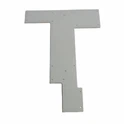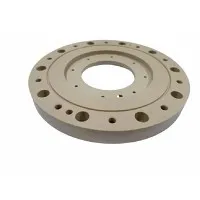

As a seasoned supplier in the field of milling machining PMMA, I often encounter a wide range of inquiries from clients regarding the capabilities of different machining processes. One question that frequently comes up is, "Can I mill PMMA with a 5 - axis milling machine?" In this blog post, I'll delve into this topic, exploring the feasibility, advantages, and considerations when using a 5 - axis milling machine for PMMA.
Understanding PMMA
PMMA, or polymethyl methacrylate, is a well - known thermoplastic material. It is often referred to as acrylic or Plexiglas. PMMA is highly regarded for its excellent optical clarity, high transparency, and good weather resistance. It is also relatively lightweight and has good mechanical properties, making it suitable for a variety of applications, such as signage, display cases, automotive lighting, and medical devices.
The Basics of 5 - Axis Milling Machines
A 5 - axis milling machine is a powerful and versatile piece of equipment in the machining industry. Unlike traditional 3 - axis milling machines that can move the cutting tool along the X, Y, and Z axes, a 5 - axis milling machine can also rotate the cutting tool around two additional axes, typically the A and B axes. This additional movement allows for more complex and precise machining operations. The ability to approach the workpiece from multiple angles means that a single setup can often complete a part that would otherwise require multiple setups on a 3 - axis machine.
Can You Mill PMMA with a 5 - Axis Milling Machine?
The short answer is yes, you can mill PMMA with a 5 - axis milling machine. In fact, using a 5 - axis milling machine for PMMA offers several significant advantages.
Precision and Complexity
One of the main benefits of using a 5 - axis milling machine for PMMA is the ability to achieve high precision and create complex geometries. PMMA parts for applications like custom - shaped lenses or intricate display components often require extremely accurate machining. The multi - axis movement of a 5 - axis machine allows the cutting tool to reach areas that would be difficult or impossible to access with a 3 - axis machine. This means that parts with undercuts, complex curves, and free - form surfaces can be machined with ease, ensuring a high - quality finished product.
Reduced Setup Time
With a 5 - axis milling machine, multiple sides of the PMMA workpiece can be machined in a single setup. This reduces the time and effort required for re - positioning the workpiece, which in turn minimizes the risk of errors that can occur during the setup process. For large - scale production runs, this reduction in setup time can lead to significant cost savings and increased production efficiency.
Surface Finish
The ability to approach the PMMA workpiece from different angles also has a positive impact on the surface finish. By using the optimal cutting path and angle, the 5 - axis milling machine can produce a smoother surface finish on the PMMA part. This is particularly important for applications where the appearance of the part is crucial, such as in the production of high - end display panels.
Considerations When Milling PMMA with a 5 - Axis Milling Machine
While there are many advantages to using a 5 - axis milling machine for PMMA, there are also some important considerations to keep in mind.
Tool Selection
Choosing the right cutting tool is essential when milling PMMA. PMMA is a relatively soft material compared to metals, so high - speed steel or carbide tools are commonly used. Carbide tools are often preferred due to their longer tool life and better performance at high cutting speeds. The geometry of the cutting tool also plays a crucial role. For example, tools with a sharp cutting edge and a large rake angle can help reduce the cutting forces and minimize the risk of chipping or cracking in the PMMA.
Cutting Parameters
Proper cutting parameters, such as cutting speed, feed rate, and depth of cut, are vital for successful PMMA milling. Since PMMA is a thermoplastic, excessive heat generated during the cutting process can cause the material to melt or deform. Therefore, it is important to use lower cutting speeds and higher feed rates to keep the heat generation under control. Additionally, using coolant or lubricant can help dissipate heat and improve the surface finish of the part.
Dust Management
Milling PMMA produces a significant amount of dust, which can be a health hazard if inhaled. It is essential to have an effective dust collection system in place when using a 5 - axis milling machine for PMMA. This not only protects the health of the operators but also helps prevent the dust from accumulating on the machine components, which could affect the performance and accuracy of the machine.
Other Plastic Materials and CNC Machining
In addition to PMMA, we also offer CNC Machining PMMA services for other plastic materials. For example, CNC Machining PPSU is another area where our expertise lies. PPSU is a high - performance thermoplastic with excellent chemical resistance, mechanical strength, and heat resistance. It is commonly used in aerospace, medical, and automotive applications. Our 5 - axis milling machines can also be used to machine PPSU parts with high precision and efficiency.
Similarly, CNC Machining ABS is a popular service we provide. ABS is a tough, rigid, and lightweight plastic that is widely used in consumer products, automotive parts, and electronic enclosures. The versatility of our 5 - axis milling machines allows us to handle a wide range of ABS machining projects, from simple to highly complex geometries.


Conclusion
In conclusion, milling PMMA with a 5 - axis milling machine is not only possible but also offers numerous advantages in terms of precision, complexity, and efficiency. However, it is important to carefully consider tool selection, cutting parameters, and dust management to ensure successful machining. Whether you need custom - made PMMA parts, PPSU components, or ABS products, our company has the expertise and equipment to meet your needs.
If you are interested in our milling machining services for PMMA or other plastic materials, we encourage you to reach out to us for a consultation. Our team of experts is ready to discuss your project requirements and provide you with a tailored solution. Let's work together to bring your ideas to life with high - quality, precision - machined plastic parts.
References
- "Plastics Engineering Handbook", Third Edition, George E. Totten and James L. Bates
- "CNC Machining Technology", Second Edition, Paul A. Rollins